How Frequently Should a Warehouse Be Cleaned?
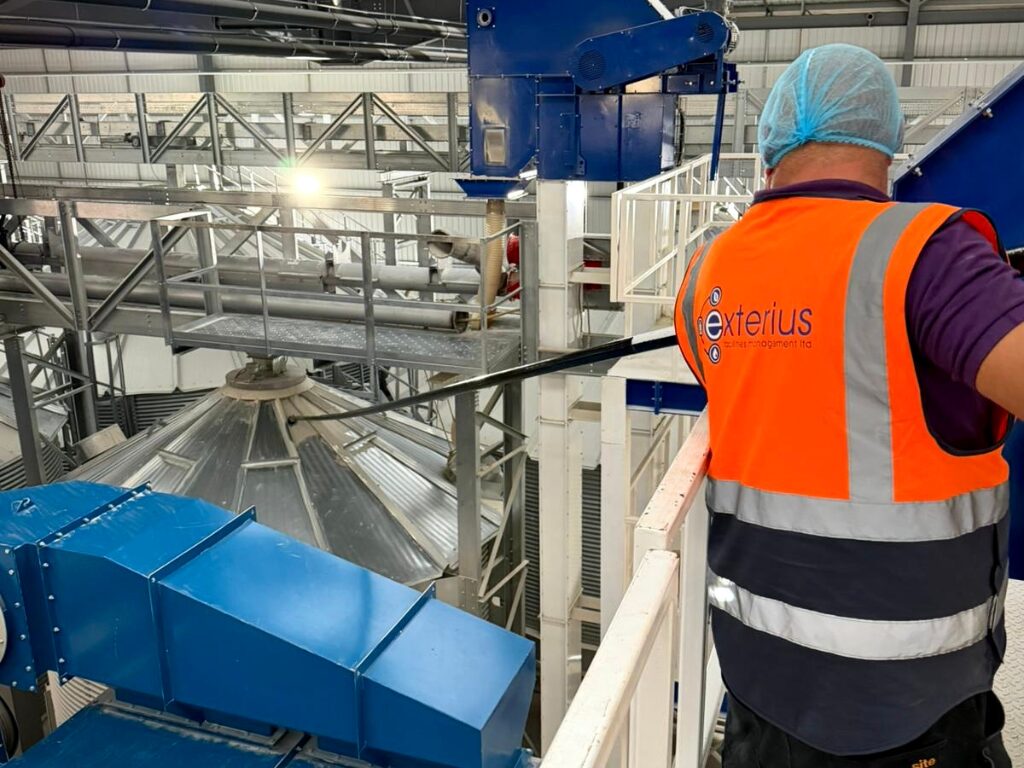
Warehouse cleaning is often seen as a bit-player in the grand scheme of warehouse operations. As long as everything runs smoothly and the floors are clear, deep cleaning tends to take a back seat.
That was then, and now, things have changed. In 2026, expectations around warehouse cleanliness have shifted dramatically. Dust, high-level contamination and poorly maintained service areas are no longer just cosmetic issues, they’re now compliance risks.
So, how often should a warehouse be cleaned? Well, that’s not a straightforward question. It depends on a whole range of factors, including operational intensity, the type of goods you’re storing, the amount of traffic coming through and your exposure to the elements. For big national operators and large distribution facilities, a structured cleaning schedule is now a must-have.
The Simple Answer
The truth is most warehouses need to be cleaned every day, at least to a basic standard. Weekly checks on operational areas are also a good idea, and then there’s the high-level or specialist cleaning that should be done every 6 to 12 months. However, that’s not set in stone, and the right frequency for your warehouse will depend on its specific risk profile.
What Affects Warehouse Cleaning Frequency?
There are a few key operational factors that determine how often a warehouse needs to be cleaned.
Traffic and Throughput
The volume of goods going in and out of a warehouse is a big one. High volume distribution centres will need a lot more cleaning than low traffic storage units. For 24/7 operations, you’re going to need a lot more structured maintenance cycles than you would for a place that’s only open during working hours.
Inventory Type
If you’re storing food products, pharmaceuticals or other goods that require a particularly high level of hygiene, you’re going to need to clean a lot more regularly. Dust can be a real problem, and you don’t want it compromising the integrity of your products.
Dust and High-Level Accumulation
One of the biggest risks in warehouses is high-level dust build-up on beams, racking and ducting. Not only does it increase the fire load and affect air quality, but it can also get dislodged during peak operations and cause problems.
External Contamination
Don’t forget about the service yards and loading bays – they’re a major contributor to internal contamination. If your external areas are not well maintained, you can expect to see more debris and water ingress coming in and making a mess.
Daily Cleaning vs. Specialist Cleaning
There’s a big difference between daily contract cleaning, which just keeps the visible surfaces looking tidy, and specialist warehouse cleaning, which takes care of the high-level areas, ducting, lights and machinery. You need both, really.
What Auditors and Insurers Expect Now
In 2026, auditor expectations around warehouse standards have escalated significantly. They’re looking for things like:
- Dust levels at height
- Blockages to fire routes
- Clogged up ventilation systems
- Debris around plant
- Condition of loading areas
If you can show that you have a documented cleaning schedule that includes high-level cleaning and external yard management, you’re in a much better position to comply and avoid problems.
When to Get in the Specialists
There are a few visible signs that your warehouse is overdue for some specialist cleaning, and a few not-so-obvious ones too. The obvious ones include a lot of dust on the racking, staining on the cladding and debris in the roof voids. The less obvious ones include false fire alarms due to dust, poor air quality and a lot of maintenance call-outs because of contamination.
The Consequences of Getting It Wrong
If you fail to address cleaning properly, you could be looking at:
- Increased fire risk from dust accumulation
- Equipment malfunction due to contamination
- Higher slip risk in loading zones
- Insurance challenges
- Operational downtime due to emergency interventions
This gets a lot riskier if you have multiple sites.
How Often Should High-Level Cleaning Be Done?
For most commercial warehouses, high-level cleaning should be done every 6 to 12 months. However, if you’re in a high-dust environment, you may need to do it more regularly – every 3 to 6 months, for example.
Delivering Structured Warehouse Cleaning
Exterius provides nationally coordinated warehouse and specialist cleaning programmes, using in-house teams to do the work. We develop cleaning schedules based on operational intensity, risk exposure and compliance requirements. We focus on high-level areas, plant zones and external loading environments, as well as basic maintenance. This helps us ensure consistency across single and multiple sites, reducing emergency call outs and strengthening audit readiness.
There’s no one-size-fits-all answer to the question of how often a warehouse should be cleaned. It’s all about the specific risk profile of your operation, the type of goods you’re storing and the level of exposure to the elements. What’s consistent across all warehouse environments, though, is the need for structured planning. Warehouse cleaning in 2026 is not just about keeping the floors tidy – it’s about compliance, fire safety, equipment longevity and operational resilience.If your cleaning routine is still pretty much on a react to what you see basis then maybe its time to have a good hard look at your system.
A solid, nationally standardised cleaning plan will keep your warehouse running smoothly, meet all the compliance and audit requirements and keep you from having to scramble around at the last minute all year round. Contact Exterius to find out more today.
