Grounds Maintenance Is a Safety System, Not a Landscaping Service
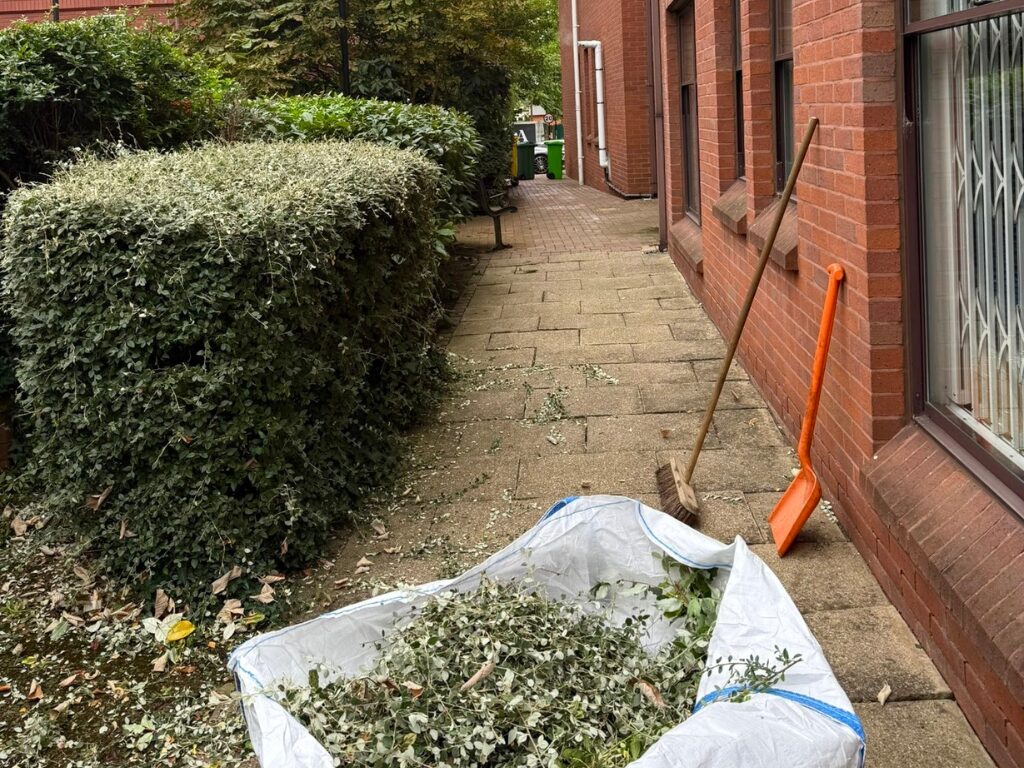
Grounds maintenance is often lumped in with landscaping, but that’s doing it a massive disservice. Cutting the grass, trimming the hedges and generally making the place look nice are all things that are far from cosmetic. For commercial estates, this is a major misconception.
Across industrial sites, distribution hubs, retail parks and corporate campuses, the exterior grounds are a key part of the building’s safety infrastructure. They affect access, drainage, visibility, slips and emergency response. When grounds maintenance is not done on a regular basis, but rather on an ad hoc basis, risk just keeps building up.
By 2026, organisations that operate multi site estates can’t afford to treat grounds maintenance as a nice to have anymore. It’s a safety system in all but name.
External Areas – The High Risk Zones
Car parks, service yards, pedestrian routes and loading bays are all areas that are exposed to the elements all the time. Leaves and other debris build up in the gutters, moss grows in the shady spots and drainage channels get clogged up with silt and leaves.
These things don’t happen overnight – they take time to build up. But when they do, it can be a real problem. Slip accidents in car parks and on walkways are a huge liability for commercial sites, and poor drainage can cause water to stand and the surface to wear down faster. And if the vegetation gets too long, it can block our view and obstruct emergency access routes.
When something does happen, it’s often the maintenance records that get looked at. And it turns out that grounds maintenance is a key part of an organisation’s duty of care.
The Pitfalls Of Reactive Maintenance
Lots of estates have a reactive approach to maintenance. They only do things when someone complains or when it’s really obvious that something needs to be done. And when they do it, they often need to do a lot more work than they would have if they’d done it regularly.
This approach creates a lot of volatility. Overgrown vegetation has to be cut back, which can be a nightmare. And if the drainage is blocked, it’s a bigger job still. And then of course, there are the emergency call outs, which can be costly and stressful.
Reactive maintenance can fix the immediate problem, but it doesn’t really deal with the underlying issues. And if you’re a facilities manager in charge of multiple sites, this can be a real nightmare to budget for and predict.
The Benefits Of Structured Maintenance
Grounds maintenance should be about more than just making the place look nice. It should be about assessing the site to see where the risks are, and then taking steps to mitigate them.
Factors like how much traffic the area gets, how much shade it’s in and how well the drainage is all affect how quickly the area will degrade. A structured maintenance plan takes all these factors into account, and sets out how often the area should be maintained.
Regular cleaning of drains and gutters can prevent standing water and reduce the risk of slips. And by controlling the vegetation, you can keep the area safe and accessible.
For big estates, this consistency is crucial. You need to be able to maintain the same standards across all of your locations to reduce the risk.
The Cost Of Neglect
Neglecting the grounds is rarely a problem that comes out of the blue. Instead, it’s a gradual thing that gets worse and worse over time. And the costs can add up fast.
For example, if the drains get blocked, it can cause damage to the surface and let water in. And if the vegetation gets out of control, it can cause damage to the fencing and the boundary walls.
For multi site estates, this can be a real problem. What might seem like a small issue at one site can become a major problem when it’s replicated across several sites.
Reputation And Operational Control
The state of the exterior grounds is often the first impression people get of a commercial property. And if it looks like the grounds have been neglected, it can suggest that the site is not well managed.
For retail environments and corporate campuses, this can be a real problem. If the grounds look shabby, it can put tenants off and damage the brand. And for industrial estates, it can suggest that the owners are not paying attention.
And yet, by maintaining a consistent standard, you can show that you’re a well run and organised site.
The Seasonal Pressures
Seasonal changes can make grounds maintenance even more challenging. In the autumn, leaves can clog up the gutters and drainage channels. In the winter, frost can make the surfaces slippery. In the spring, the vegetation grows rapidly, and in the summer, the grass and plants can get stressed by the heat.
By planning your maintenance around the seasons, you can avoid these problems.
Delivering National Consistency
For organisations that have multiple sites, consistency of service delivery is just as important as the frequency of the maintenance. Exterius delivers grounds maintenance programmes across the country, using directly employed specialist teams to ensure that all of the sites are maintained to the same high standard.
This approach means that you can get uniform standards, centralised reporting and consistent risk management across all of your sites.
Grounds maintenance is not just about tidying up the garden. It’s about keeping the site safe, and reducing the risk of accidents and liability. By doing it on a regular basis, and taking a structured approach, you can reduce the risk, protect your assets and keep your sites running smoothly.
It’s time to stop thinking of grounds maintenance as just a nice to have, and start treating it for what it is – a key part of your safety infrastructure.
A well-coordinated programme, that’s directly delivered at a national level, means that areas outside are safe, functional and in compliance all year round. Contact Exterius today to learn more.
