The Hidden Costs of Overlooking Commercial Exterior Cleaning
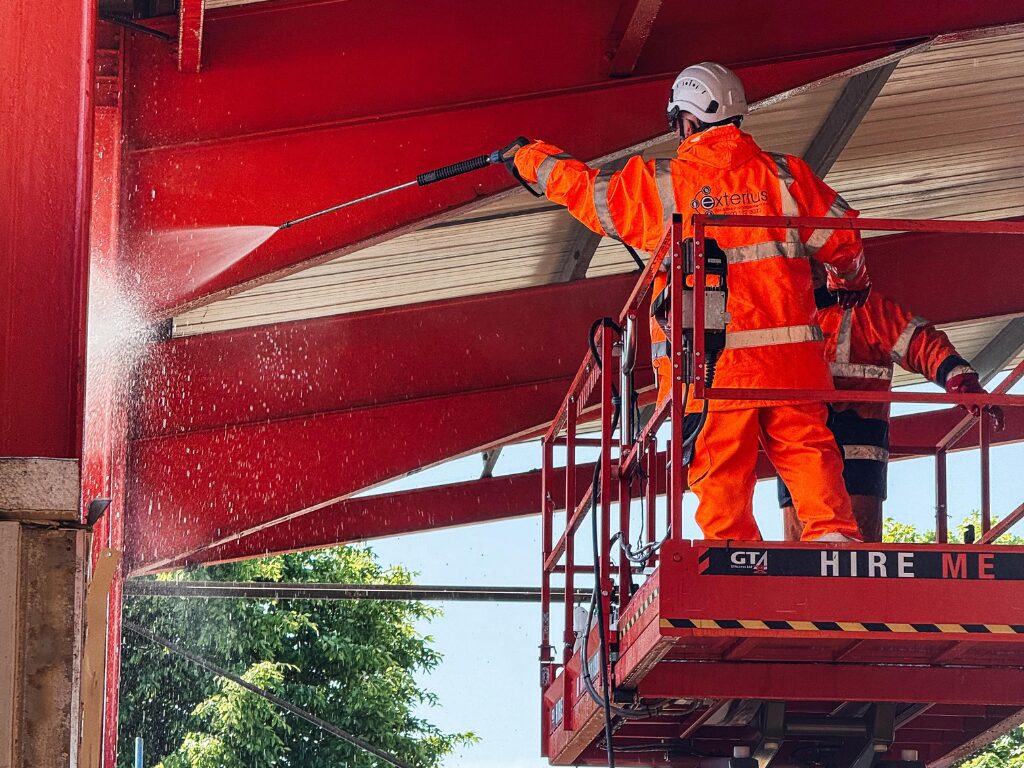
Commercial exterior cleaning is often seen as nothing more than a cosmetic issue, rather than the crucial asset protection it actually is. And for commercial properties, this misguided view can end up costing a pretty penny.
Across all sorts of properties, single sites and multi-site estates alike, exterior surfaces are constantly being battered by the weather, pollution and all sorts of other external factors. And if cleaning is left to lag behind or gets bumped down the priority list, contaminants just start piling up in a way that really accelerates the wear and tear.
What starts off looking like a minor cosmetic issue can quickly turn into a full-blown structural, financial and operational nightmare. But by understanding the hidden costs of neglecting commercial exterior cleaning, facilities managers can take steps to mitigate all that risk before it gets out of hand.
Surface Degradation is a Sneaky Process
Exterior materials are built to last, but they’re not designed to withstand years and years of neglect. Pollutants, algae and all sorts of other contaminants settle into surface pores and joints, gradually changing the way those materials perform.
And once these contaminants start to lock in, they can start to hold onto moisture. And that moisture, in turn, can encourage all sorts of biological growth. Before long, you’ve got micro-environments that are perfect for corrosion, staining and material breakdown to take hold. That’s when the cladding starts to look dingy, the paving starts to weaken and the stone surfaces get permanently marked.
Then, just when you thought things couldn’t get any worse, the deterioration will hit a point where cleaning just isn’t enough, and you’re left with a whole host of restorative works that you didn’t need to do in the first place.
But here’s the thing: by getting in and doing some preventative commercial exterior cleaning, you can interrupt all this damage before it becomes a deeply ingrained problem.
For organisations running big property portfolios, that’s a huge difference when it comes to capital expenditure planning.
The Slip Hazard Timebomb
Contamination doesn’t just change the way surfaces look, it also changes the way they behave.
Algae, moss and ingrained debris can all make it a real challenge to stay on your feet, especially when it’s wet or icy outside. That’s why entrances, ramps, pedestrian routes and service yards are all such common problem areas.
And the thing is, slip hazards don’t just spring up overnight – they build up gradually, so by the time you notice a problem, it’s often too late. And then, when an incident happens and someone gets hurt, it’s not just the cost of the maintenance that gets scrutinised, it’s the whole maintenance record.
The fact is, under Health and Safety legislation, organisations are responsible for managing foreseeable risks – and slipping on a contaminated surface is most definitely one of those risks.
By getting in and doing some regular exterior maintenance, you can reduce the risk of all this happening.
Delaying the Inevitable Just Costs More
Delaying exterior cleaning is never the answer. In fact, it’s almost always the opposite – it’s just a guaranteed way to increase the cost of getting things sorted out in the long run.
The thing is, once contaminants have bonded with the surface, getting rid of them is a lot harder – and a lot more expensive. And to make matters worse, all that extra cleaning will often require specialist equipment and cleaning agents, which can be a real strain on the budget.
And on top of all that, emergency cleanings always disrupt maintenance planning – they can be a real headache to fit round other operations, and they’re always going to be more expensive in the long run.
On the other hand, getting in and doing some planned maintenance means that cleaning intensity stays under control, and you can avoid all those costly reactive interventions.
Over time, that really does add up to a lower overall lifecycle cost.
Impact on Asset Lifespan and Capital Planning
Commercial buildings are all about long term investments – and the exterior materials are a key part of that.
When protective finishes degrade before their time, you’re left with a shorter lifespan for all those expensive components – cladding panels, paving systems, and all the rest. And that can mean you need to do more repairs and replacements – and those are always going to be expensive.
And when you’re looking after a big national estate, all this can add up to a really big problem.
By being proactive with the exterior maintenance, you can keep all those materials in good shape for longer, and keep your capital costs down.
Environmental Pressures Take Their Toll
Pollution, debris and all the rest – it’s a constant battle to keep exterior surfaces clean. And if you get behind on cleaning, all these environmental factors can start to work together to break down the surfaces.
Moisture starts to get trapped, and that just makes it easier for all the other contaminants to take hold. And that’s when you get all the problems you’re trying to avoid – gutters overflowing, drainage systems getting clogged up, and surfaces staying damp for far too long.
But by getting in and doing some regular cleaning, you can prevent all that from happening in the first place.
And from an environmental perspective, that means you’re not using all the chemicals and water that you would need for a major clean-up. It’s all about reducing your overall maintenance costs over the long term.
First Impressions Matter – So Keep Your Exterior Looking Good
Exterior presentation is all about first impressions. Clients, tenants and visitors are all forming their opinions about your business before they even set foot inside the building.
So if your façades are all stained and your walkways are looking neglected, that’s not going to be a good start. And for customer-facing environments and big national brands, that’s a real problem – it’s all about perception.
But by keeping all your exterior surfaces in good repair, you can signal to everyone that you’re on top of things – that you’re in control and that you know what you’re doing.
And that’s especially important when you’re managing big national estates, because it’s all about maintaining that brand integrity.
Keeping on Top of Compliance and Governance
Exterior cleaning shouldn’t be something that’s tacked on as an afterthought. It’s got to be an integral part of your overall facilities governance.
And when it comes to dealing with any incidents that do happen, you need to be able to show that you had a properly structured programme in place – and that you were following it.
That’s why it’s so important to have a structured maintenance framework – so you can demonstrate that you’re on top of things, and that you’re committed to being proactive.
Reactive Cleaning is Never a Good Idea
Reactive cleaning is just patching things up after the fact. It’s not about preventing problems from happening in the first place.
But with a national coordinated exterior maintenance programme, you can tackle all those problems before they even become a problem. And that means you can schedule your cleaning around your operations – so it’s all nice and quiet, with minimal disruption.
That’s a real game-changer for organisations running big estates.
How Exterius Can Support Your Exterior Maintenance
Exterius can help you with all your exterior maintenance needs – we’ve got a team of specialist cleaners who are based all over the country, so we can respond to any problems as soon as they arise. Maintenance frameworks get built on an analysis of where problems come up, what condition those materials are in, and how big a threat is that going to be for your operation. Then you identify and get a priority on which places are really going to get hit the hardest by those problems.
With this kind of structured system you start to reduce how often you need to send out emergency maintenance teams and protect those valuable assets from the long term damage that can accrue. And on top of that, it starts to give you a much clearer idea of how you’re going to budget for all of that.
Of course, things will still come up out of the blue and you’ll still need some kind of reactive support to deal with those things.
Commercial exterior cleaning isn’t one of those things that’s going to suddenly just give up the ghost & cause a problem – things will take their time and start to show wear and tear, exposing you to liability risks and chipping away at your budget.
But that doesn’t mean it should be at the back of your mind and just treated as an afterthought – exterior cleaning is right there at the heart of keeping your assets healthy and your operation running smoothly.
For organisations that own and look after commercial property, the question isn’t actually “do we need to clean it”, its more like how can we be smart about this cleaning that we do.
Having a nationally coordinated, structured approach to maintenance is a good way to protect what you’ve got, make sure you’re complying with all the right rules and keep the long term value of those assets intact. Contact us today for more information.
