Hard-to-Reach, Easy to Ignore: The Areas of Your Building Most Likely to Fail an Audit
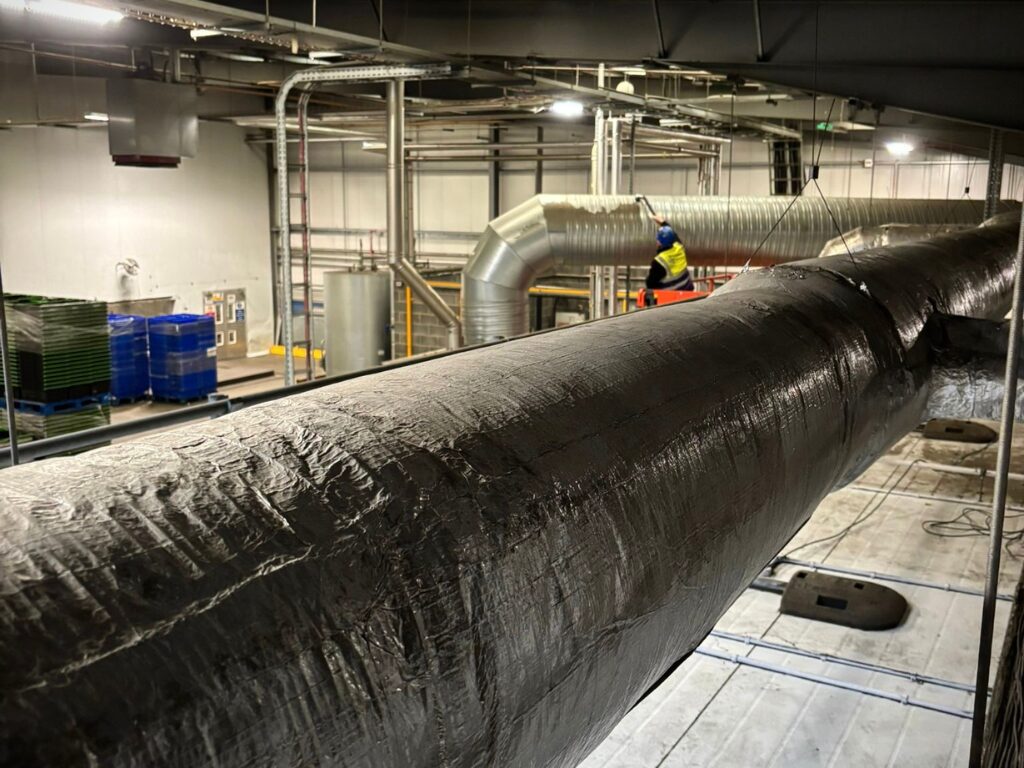
When preparing for a safety or compliance audit, most attention is placed on visible areas.
Floors are cleaned. Walkways are cleared. Key operational zones are reviewed.
At surface level, everything appears in order.
However, audits rarely fail because of what is obvious. They fail because of what is overlooked.
Across commercial and industrial environments, the highest-risk areas are often those that are hardest to access and easiest to ignore. These spaces quietly accumulate dust, debris, and contamination over time, creating compliance gaps that only become visible under closer inspection.
Understanding where these risks develop is essential for maintaining audit readiness and protecting your site.
Why Audits Look Beyond Surface-Level Cleanliness
Audits are not designed to assess appearance alone. They are intended to evaluate how effectively a site is being managed.
This means looking beyond clean floors and organised workspaces to understand how risks are controlled across the entire environment.
Auditors will typically assess:
- safety and accessibility
- cleanliness and contamination control
- maintenance of infrastructure
- evidence of structured risk management
Areas that are consistently maintained tend to meet these standards. Areas that are overlooked often do not.
High-Level Structures: Out of Sight, High Risk
One of the most common sources of audit failure is above head height.
Roof beams, lighting systems, ventilation ducting, and cable trays naturally collect dust and airborne particles over time. Because these areas are not part of routine cleaning, contamination can build gradually without being noticed.
When visible during an audit, this type of build-up can indicate:
- a lack of structured cleaning programmes
- poor contamination control
- potential fire or air quality risks
High-level cleaning is not simply a maintenance task. It is a critical part of maintaining compliance in many industrial environments.
Behind and Beneath Machinery
Operational equipment is another area where risk often develops.
Spaces behind, beneath, and around machinery can accumulate dust, oil, debris, and production residue. These areas are difficult to access and are often excluded from routine cleaning schedules.
However, they are exactly the areas auditors are likely to inspect.
Unmanaged build-up in these locations can lead to safety hazards, reduced equipment efficiency, and a clear indication that cleaning standards are not being maintained consistently across the site.
Low-Traffic and Peripheral Zones
Cleaning is typically prioritised in high-traffic areas, where visibility is greatest.
In contrast, less frequently used spaces can be overlooked. Storage corners, mezzanine edges, service corridors, and back-of-house areas often accumulate contamination over extended periods without being addressed.
While these zones may not impact daily operations, they are often used by auditors to assess whether cleaning standards are applied consistently throughout the entire facility.
Inconsistency is often what leads to audit findings.
External Areas and Access Routes
External environments are a common source of compliance issues.
Entrances, walkways, car parks, and fire exits are exposed to weather, debris, and organic growth. Over time, this can lead to:
- algae or moss creating slip hazards
- blocked drainage causing standing water
- surface degradation affecting safety
Because these areas are used by both staff and visitors, they carry both safety and liability implications.
They are also highly visible during inspections.
Ventilation and Air Movement Systems
Ventilation systems play a critical role in maintaining environmental conditions, particularly in industrial and regulated environments.
However, they are often overlooked from a cleaning perspective.
Dust and debris can accumulate within ducting, vents, and extraction systems, reducing efficiency and contributing to airborne contamination. In certain industries, this can extend beyond safety concerns into regulatory non-compliance.
Auditors may review these systems as part of a broader assessment of environmental control and maintenance.
Drainage and Water-Prone Areas
Drainage systems are another area where issues can develop unnoticed.
Blocked or poorly maintained drainage can lead to standing water, odours, and increased slip risk. Over time, this can also contribute to surface damage and wider infrastructure issues.
Both internal and external drainage points should be included in regular inspection and cleaning programmes, particularly in environments where water management is critical.
When Safety Systems Are Compromised
In some cases, the issue is not the presence of contamination itself, but the impact it has on safety systems.
Over time, dirt and residue can obscure floor markings, reduce the visibility of signage, and affect lighting performance. These systems are designed to communicate risk and guide safe behaviour. When they are compromised, the effectiveness of the wider safety strategy is reduced.
This is often a key consideration during audits.
Why These Areas Are Often Missed
There are several reasons why high-risk areas fall outside routine cleaning.
Access limitations are a major factor. High-level and confined spaces require specialist equipment and trained operatives. Operational constraints can also make it difficult to clean around active machinery or busy environments.
In many cases, however, the issue is simply visibility. Attention is focused on areas that are seen every day, while less visible spaces are addressed only when problems arise.
Without a structured, site-wide cleaning strategy, these areas remain unmanaged.
Planned Cleaning and Audit Readiness
Audit readiness is not achieved through last-minute preparation.
It is the result of consistent, proactive maintenance across the entire site.
A structured cleaning programme should consider all areas of the environment, including those that are harder to access or less frequently used. This includes high-level cleaning, external maintenance, and regular inspections to identify emerging risks.
By maintaining standards consistently, rather than reactively, businesses can reduce the likelihood of audit failures and demonstrate a clear commitment to compliance.
Using the Right Methods for Hard-to-Reach Areas
Cleaning difficult areas requires more than standard equipment.
High-level structures, machinery zones, and external environments often require specialist access solutions, industrial-grade equipment, and trained technicians who understand how to work safely within complex environments.
Using the correct methods ensures that contamination is removed effectively without creating additional risk or disruption to operations.
Why Businesses Choose Exterius
Exterius delivers specialist commercial and industrial cleaning services designed to support audit readiness, compliance, and risk management.
All work is carried out by fully trained, in-house teams, ensuring consistency and accountability across every site.
Services include:
- high-level cleaning of structural elements
- industrial cleaning around plant and machinery
- external cleaning of access routes and surfaces
- grounds maintenance and drainage support
Cleaning programmes are tailored to each site, ensuring both visible and hidden risk areas are addressed as part of a structured approach.
By focusing on the full environment, not just surface-level cleanliness, Exterius helps businesses maintain consistent standards and reduce the likelihood of audit failures.
The areas most likely to fail an audit are rarely the ones seen every day.
They are the spaces that are harder to access, slower to show visible issues, and easier to overlook.
However, these areas often carry the greatest risk.
Maintaining audit readiness requires a shift from reactive cleaning to a structured, risk-based approach that considers the entire environment.
For facilities managers, the question is simple:
Are you cleaning what is visible, or managing what matters?
FAQs
What areas do auditors focus on most?
Auditors assess both visible and hidden areas, particularly where contamination can build over time.
Why is high-level cleaning important for audits?
Dust at height can indicate poor contamination control and may contribute to safety or compliance risks.
Are external areas included in audits?
Yes. Entrances, walkways, and access routes are key safety zones and are often assessed.
How often should hard-to-reach areas be cleaned?
This depends on site activity and risk levels, but they should be included in a structured cleaning programme.
Can planned cleaning improve audit outcomes?
Yes. Consistent maintenance across all areas reduces the likelihood of issues being identified during audits.
