The True Cost of Reactive Cleaning in Commercial and Industrial Environments
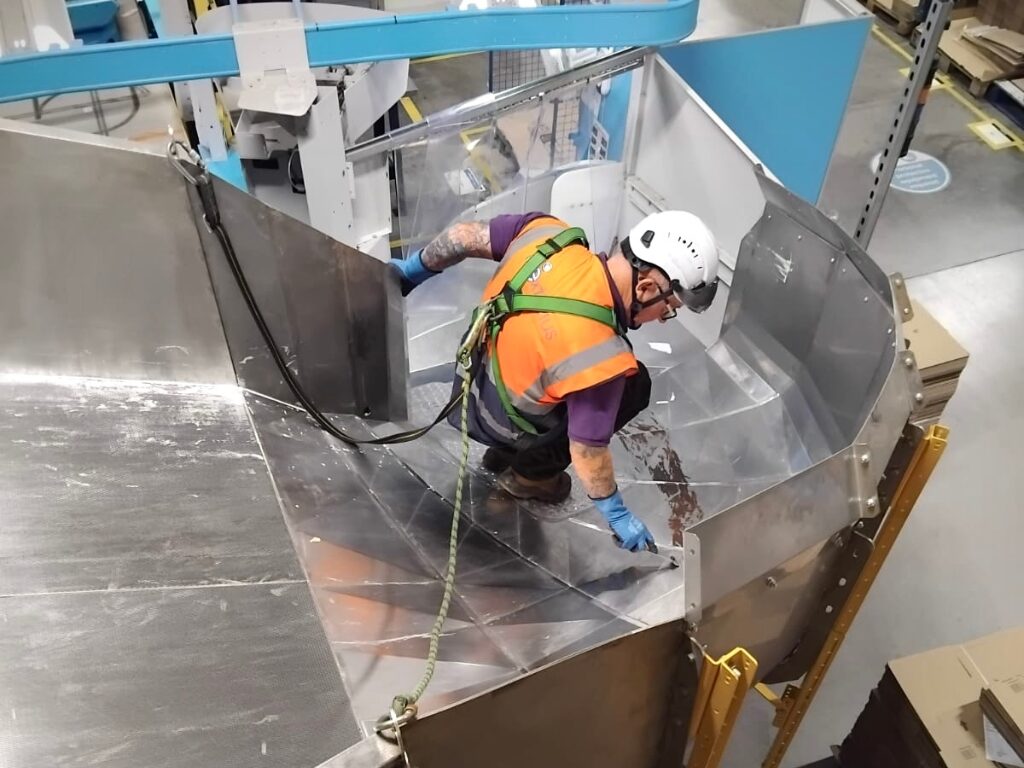
In many commercial and industrial environments, cleaning is still approached reactively.
An issue appears. Standards drop. A complaint is raised. Then action is taken.
At first glance, this can seem practical. Cleaning is carried out only when required, and unnecessary spend is avoided. However, what appears cost-effective in the short term often leads to significantly higher costs over time.
Reactive cleaning does not remove risk. It allows it to build.
For businesses relying on commercial cleaning services to maintain safety, compliance, and operational performance, understanding this distinction is essential.
What Reactive Cleaning Actually Means
Reactive cleaning refers to any cleaning activity triggered by a visible issue or immediate need, rather than forming part of a structured plan.
In practice, this often looks like responding to problems once they arise rather than preventing them. Teams may only address contamination when it becomes noticeable, or bring in specialist industrial cleaning services after an audit failure or operational disruption.
While this approach can resolve immediate concerns, it does not address the underlying causes. As a result, the same issues tend to return, often at a greater scale.
Why Reactive Cleaning Appears Cost-Effective
The appeal of reactive cleaning is easy to understand. There is no fixed schedule, no ongoing commitment, and no perceived spend on areas that “don’t yet need attention”.
From a short-term budget perspective, this can appear efficient.
However, this approach overlooks how contamination behaves in real environments. Dirt, dust, and residue do not disappear when ignored. They accumulate. What seems like a saving today often becomes a larger, more complex cost later.
The Hidden Build-Up of Risk
Contamination in commercial environments develops gradually through daily operations.
In warehouse and industrial settings, this often includes fine dust settling on structural surfaces, residue building on floors, and debris collecting in low-traffic areas. External environments may also experience organic growth that affects access routes and building exteriors.
Because this build-up is incremental, it is rarely noticed until it becomes visible or begins to impact operations. By that stage, the issue is no longer minor. It requires intervention at scale.
Higher Cleaning Costs Over Time
When contamination is allowed to accumulate, the cost of cleaning increases significantly.
Tasks that could have been handled through routine maintenance become more labour-intensive and often require specialist equipment. Access becomes more complex, particularly for high-level areas, and larger sections of the site may need to be addressed in a single project.
For example, regular high-level cleaning to remove light dust is far more efficient than tackling heavy structural build-up across an entire facility. The difference is not just in effort, but in time, disruption, and cost.
Operational Disruption and Downtime
Reactive cleaning rarely happens at a convenient time. It typically takes place when a problem has already begun to affect operations.
This can result in restricted access to key areas, delays to workflow, and in some cases, temporary shutdowns while cleaning is carried out. The need to coordinate urgent work around ongoing operations adds further complexity.
In contrast, planned commercial cleaning services allow work to be scheduled around site activity, maintaining continuity and reducing disruption.
The Impact on Safety and Compliance
Cleaning plays a direct role in maintaining safe and compliant working environments.
Allowing contamination to build increases the risk of:
- slips, trips, and falls
- fire hazards, particularly in dust-heavy environments
- reduced visibility of safety markings
- compromised ventilation systems
From a compliance perspective, reactive cleaning can also lead to failed inspections, corrective actions, and increased scrutiny from regulators or clients.
A structured cleaning programme demonstrates a proactive approach, which is increasingly expected across commercial and industrial sectors.
Damage to Infrastructure and Assets
Contamination does not only affect cleanliness. It can have a direct impact on the building itself.
Over time, residues and debris can degrade flooring, accelerate wear on surfaces, and contribute to blocked drainage systems. External build-up can affect façades and surrounding areas, leading to long-term maintenance issues.
Planned industrial cleaning services help protect these assets before damage occurs, extending their lifespan and reducing repair costs.
The Effect on Workplace Standards
The condition of a workplace influences how people behave within it.
When cleaning is inconsistent, standards can begin to slip. Employees may become less aware of contamination risks or more likely to accept lower levels of cleanliness as normal.
A well-maintained environment, on the other hand, supports higher standards across the board. It reinforces safety awareness, improves morale, and contributes to a more professional and controlled operation.
Reputation and First Impressions
Cleanliness also plays a role in how a business is perceived.
For many sites, this includes entrances, external areas, and client-facing spaces. When cleaning is reactive, standards fluctuate. Areas may appear well-maintained at one point, then visibly decline before being addressed.
This inconsistency can affect client confidence and overall brand perception.
Planned cleaning ensures a consistent standard at all times, rather than periodic improvements.
Planned Cleaning as a Cost Control Strategy
Planned cleaning is not simply about maintaining appearance. It is a strategic approach to managing cost and risk.
A structured programme allows businesses to:
- identify high-risk areas early
- schedule cleaning based on actual usage
- prevent contamination from building up
- maintain predictable, controlled budgets
Rather than reacting to problems, cleaning becomes part of a broader site management strategy.
From Reactive to Proactive Cleaning
Moving away from reactive cleaning requires a shift in mindset.
Instead of asking when cleaning is needed, the focus becomes identifying where risk is developing and addressing it before it escalates.
This approach allows facilities teams to stay ahead of issues, reduce long-term costs, and maintain safer, more efficient environments.
Why Businesses Choose Exterius
Exterius delivers specialist commercial and industrial cleaning services designed around proactive maintenance.
All work is carried out by fully trained, in-house teams, ensuring consistency, safety, and accountability across every site.
Services include:
- warehouse and industrial cleaning
- high-level dust removal
- external and façade cleaning
- grounds maintenance and safety-focused cleaning
Each programme is tailored to the specific needs of the site, taking into account operational demands, risk areas, and compliance requirements. This ensures cleaning is carried out efficiently, with minimal disruption to day-to-day activity.
Reactive cleaning may appear cost-effective in the short term, but it often leads to higher costs, increased risk, and operational disruption over time.
Contamination builds gradually. Risk develops quietly. Costs increase when action is delayed.
For commercial and industrial environments, cleaning is not simply about responding to problems.
It is about preventing them.
FAQs
Is reactive cleaning ever appropriate?
Reactive cleaning is necessary for unexpected issues, but it should not replace a structured cleaning programme.
Do planned cleaning services cost more?
In most cases, they reduce long-term costs by preventing large-scale interventions and protecting assets.
How do I know if my site is relying on reactive cleaning?
Frequent emergency callouts, visible build-up, and inconsistent standards are common indicators.
Can planned cleaning reduce downtime?
Yes. Scheduled cleaning can be aligned with operations, avoiding disruption caused by urgent interventions.
