Why Warehouse Cleaning Should Be Part of Your Health and Safety Strategy
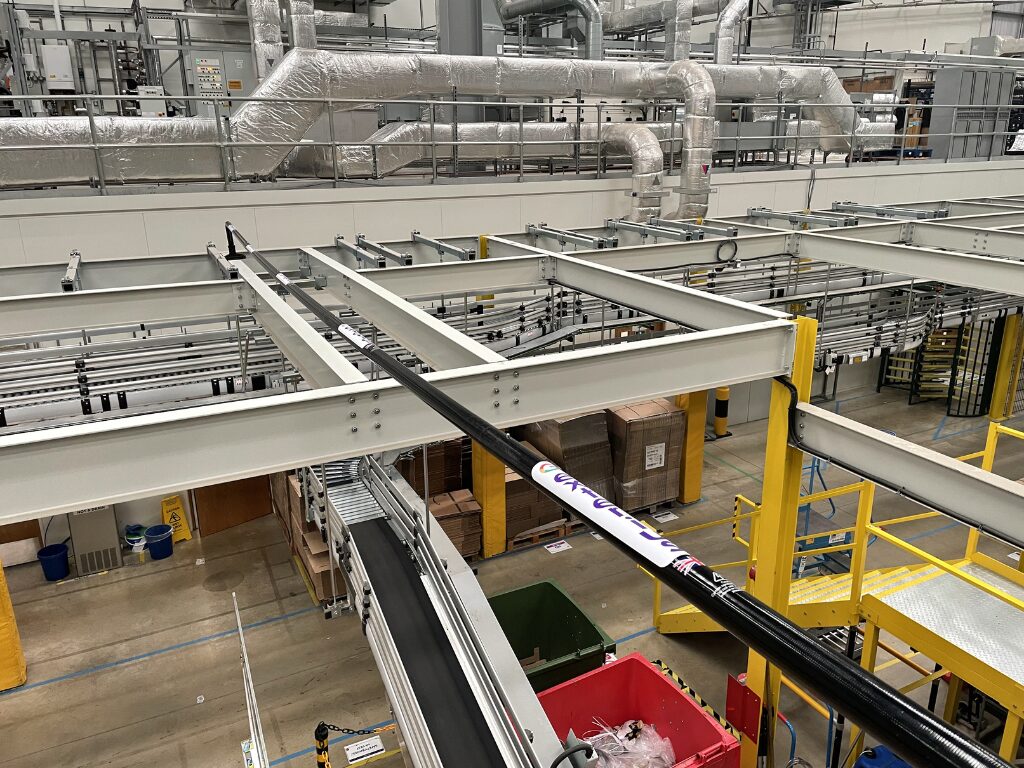
In warehouse environments, health and safety is often focused on the most visible risks.
Vehicle movement. Manual handling. Racking systems. Fire exits. PPE. Machinery. Traffic routes.
These areas matter, but they are not the only factors that influence workplace safety.
Cleaning plays a direct role in how safe a warehouse is to operate. Floors, high level structures, loading bays, walkways and storage areas all change over time as dust, debris, residue and contamination build up.
When cleaning is treated as a separate housekeeping task, risks can be missed.
For facilities managers, warehouse cleaning should form part of the wider health and safety strategy, not just the daily presentation of the site.
Why Warehouse Cleaning Is a Safety Issue
Warehouses are active environments.
People, vehicles, stock, pallets, packaging materials and machinery move through the space every day. This activity naturally creates dust, debris, residue and general contamination.
Over time, these materials settle across the site. Some are visible on floors and walkways. Others collect above head height on beams, racking, ducting, lighting and internal cladding.
If this build up is not managed properly, it can affect safety, compliance and operational performance.
Warehouse cleaning helps control:
- slip and trip risks
- dust build up
- floor contamination
- obscured markings
- debris in traffic routes
- contamination around loading bays
- high level dust accumulation
- general site presentation before audits
A clean warehouse is not just easier to manage. It is safer to work in.
The Hidden Risks of Dust and Debris
Dust and debris do not always stay where they first settle.
In warehouses, air movement, vehicle activity and operational traffic can move contamination across the site. Packaging fibres, product dust, dirt, pallet debris and general particles may settle on surfaces before being disturbed again.
This can affect both low level and high level areas.
On floors, dust can reduce traction and make surfaces more difficult to keep clean. In storage areas, debris can build around racking legs and walkways. At height, dust can settle on beams, lighting, cable trays, ducting and internal cladding.
Because these areas are often out of sight, the issue can develop for months before it becomes obvious.
Planned warehouse cleaning helps prevent this accumulation from becoming a wider health and safety concern.
Floor Safety and Slip Risk
Warehouse floors are central to safe movement.
Staff, forklifts, pallet trucks, cleaning equipment and stock handling systems all rely on stable, predictable floor conditions. When contamination builds, surface grip can be affected.
Common floor risks include:
- oil residue
- dust and fine particles
- packaging debris
- tyre marks
- spillages
- pallet fragments
- dirt tracked in from external areas
- obscured floor markings
Even minor contamination can have a significant impact in high traffic areas.
Reduced traction can affect pedestrians and vehicles. Obscured markings can make walkways and traffic routes harder to follow. Debris can create trip hazards or interfere with equipment movement.
Professional warehouse floor cleaning helps maintain safer surface conditions and supports clearer traffic management across the site.
Keeping Traffic Routes Clear
Traffic routes are one of the most important safety features in a warehouse.
Walkways, forklift routes, loading areas, emergency access points and pedestrian zones all need to remain clear, visible and usable.
Poor cleaning standards can affect this quickly.
Dust, packaging materials, residue and debris can gather along route edges. Floor markings can become dull or obscured. Spillages can leave behind residue even after they appear to have been dealt with.
This increases risk for both staff and site visitors.
A structured cleaning plan helps maintain:
- clear pedestrian walkways
- visible floor markings
- safe vehicle routes
- clean loading bay areas
- accessible emergency routes
- reduced debris around operational zones
For health and safety teams, this creates a more controlled working environment.
High Level Cleaning and Fire Loading
Some warehouse risks are not visible from the ground.
High level dust build up is a common issue in warehouses, logistics hubs, factories and sortation centres. Dust, fibres and airborne debris can settle on beams, racking, ducting, lighting, pipework and internal cladding.
This can create several risks.
In some environments, accumulated dust can contribute to fire loading. It may also affect air quality, lighting performance, maintenance access and audit outcomes.
Routine cleaning teams are not usually trained or equipped to clean these areas safely.
High level cleaning requires specialist equipment, safe systems of work and trained operatives who understand how to work in live commercial or industrial environments.
Including high level cleaning within a warehouse health and safety strategy helps ensure hidden contamination is not ignored.
Loading Bays and External Transfer Areas
Loading bays are often one of the hardest areas to keep clean.
They connect the internal warehouse environment with external traffic, vehicles, weather and deliveries. As a result, they are exposed to dirt, moisture, oil, debris, packaging waste and vehicle residue.
If these areas are not maintained, contamination can be carried into the warehouse.
This can affect floor condition, increase slip risk and make internal cleaning harder to control.
High risk areas include:
- loading bay floors
- dock levellers
- delivery routes
- external yards
- roller shutter entrances
- pedestrian crossings
- areas where vehicles idle or turn
Regular cleaning of loading bays and external transfer areas helps reduce contamination entering the warehouse and supports safer movement between internal and external spaces.
Supporting Audit Readiness
Cleanliness is often reviewed as part of wider warehouse safety and compliance expectations.
Auditors and inspectors may look at housekeeping, traffic routes, fire exits, storage areas, contamination control, dust build up and evidence of planned maintenance.
A warehouse that relies on reactive cleaning may struggle to demonstrate consistent control.
Planned warehouse cleaning creates clearer evidence that site conditions are being managed. It also reduces the need for last minute cleaning before audits or inspections.
This supports:
- health and safety inspections
- internal audits
- client visits
- insurance reviews
- fire risk assessments
- operational compliance checks
For facilities managers, cleaning records and planned maintenance schedules can help show that risks are being managed proactively.
Why Routine Cleaning Is Not Enough
Daily cleaning plays an important role in warehouse management, but it cannot solve every issue.
Routine cleaning usually focuses on accessible areas and immediate housekeeping tasks. It may not include high level structures, deep floor cleaning, loading bay contamination, internal cladding, racking zones or specialist residue removal.
This creates a gap.
Over time, the areas outside routine cleaning schedules can become the areas that create the most risk.
Specialist warehouse cleaning complements routine cleaning by targeting:
- industrial floor contamination
- high level dust build up
- hard to reach structures
- loading bay areas
- racking and storage zones
- internal cladding
- heavy traffic areas
- embedded dirt and residue
For warehouses, both routine and specialist cleaning are needed to maintain safe and compliant conditions.
Reducing Operational Downtime
Poor cleaning standards can affect productivity.
Contaminated floors, blocked access routes, dust build up and reactive cleaning requirements can all interrupt normal warehouse activity. When cleaning becomes urgent, work may need to be arranged around the problem rather than the operation.
This can cause avoidable downtime.
Planned warehouse cleaning allows work to be scheduled around shifts, quiet periods or phased sections of the site. This helps reduce disruption while maintaining standards.
A proactive approach can also reduce the likelihood of emergency cleaning interventions after incidents, complaints or audit findings.
For busy warehouses, this is often more practical and cost effective than waiting until the issue becomes urgent.
Protecting Equipment and Infrastructure
Cleaning also supports the condition of warehouse equipment and infrastructure.
Dust, dirt and residue can settle on machinery, lighting, racking, doors, internal cladding and other structural elements. Over time, contamination can make inspections harder and contribute to unnecessary wear.
Clean environments make it easier to identify damage, leaks, defects or maintenance issues early.
This is particularly important around:
- racking systems
- lighting
- machinery
- ducting
- cable trays
- roller doors
- floor markings
- fire safety equipment
- access routes
By keeping these areas clean and visible, facilities teams can support both maintenance and safety management.
Creating a Safer Working Culture
A clean warehouse also affects behaviour.
When a site is visibly maintained, staff are more likely to respect walkways, report spillages, keep routes clear and follow housekeeping expectations. Poor standards can have the opposite effect.
If dust, debris and residue are allowed to build up, it can signal that small issues are acceptable.
Planned cleaning supports a culture of control. It reinforces that safety standards are ongoing, not just addressed before inspections or after incidents.
For health and safety teams, this can help strengthen wider site expectations.
What a Warehouse Cleaning Strategy Should Include
An effective warehouse cleaning strategy should be based on risk, not just appearance.
It should consider how the site operates, where contamination builds up and which areas create the greatest safety concerns.
A structured plan may include:
- regular floor cleaning
- deep cleaning for high traffic areas
- high level cleaning
- racking and beam cleaning
- loading bay cleaning
- external yard and entrance cleaning
- dust and debris control
- cleaning around machinery and infrastructure
- scheduled inspections
- before and after reporting
The frequency will depend on the size of the warehouse, type of activity, volume of traffic, seasonal pressures and compliance requirements.
How Exterius Supports Warehouse Health and Safety
Exterius provides specialist factory cleaning services for commercial and industrial environments across the UK.
Our work supports facilities managers, health and safety teams and operations managers with planned cleaning programmes designed around safety, compliance and minimal disruption.
We can support with:
- warehouse and sortation centre cleaning
- industrial floor cleaning
- high level cleaning
- high level vacuum cleaning
- loading bay and access area cleaning
- racking and beam cleaning
- dust and debris removal
- external cleaning around operational areas
- planned maintenance programmes
All work is carried out by trained teams using suitable specialist equipment and safe working methods. Cleaning can be scheduled around live operations to reduce disruption and support long term site management.
By integrating warehouse cleaning into the wider health and safety strategy, Exterius helps businesses maintain safer, cleaner and more controlled environments.
Conclusion
Warehouse cleaning should not be treated as a separate housekeeping task.
It directly supports health and safety by reducing slip risks, controlling dust build up, keeping traffic routes clear, supporting audit readiness and protecting the condition of equipment and infrastructure.
Routine cleaning is important, but it does not always address the hidden or specialist risks that develop in busy warehouse environments.
A structured warehouse cleaning strategy gives facilities teams better control. It helps prevent contamination from becoming a safety issue, reduces reactive callouts and supports safer day to day operations.
For warehouses, logistics sites and industrial facilities, cleaning is not just about appearance. It is part of effective risk management.
Contact Exterius to discuss warehouse cleaning as part of your health and safety strategy.
Frequently Asked Questions
Why is warehouse cleaning important for health and safety?
Warehouse cleaning helps reduce slip risks, control dust and debris, maintain clear walkways, protect traffic routes and support compliance with wider safety expectations.
What areas of a warehouse are most often missed?
High level beams, racking, ducting, lighting, internal cladding, loading bays, floor edges and areas around machinery are often missed by routine cleaning schedules.
Can dust build up in warehouses create a safety risk?
Yes. Dust build up can affect air quality, visibility, equipment condition, audit outcomes and, in some environments, fire loading. High level dust should be managed through planned specialist cleaning.
How often should a warehouse be professionally cleaned?
This depends on traffic levels, operational activity, site size and contamination type. High activity warehouses usually benefit from a planned schedule rather than occasional reactive cleaning.
Does warehouse cleaning reduce slip risk?
Yes. Professional warehouse cleaning removes dust, oil, residue, spillages and debris that can reduce traction and increase slip risk.
Is high level cleaning part of warehouse cleaning?
Yes. High level cleaning is often an important part of warehouse cleaning because dust and debris can collect above head height on beams, racking, ducting, lighting and internal cladding.
Can warehouse cleaning be done without stopping operations?
In many cases, yes. Cleaning can often be scheduled outside peak hours or completed in phased sections to minimise disruption to live operations.
