Combustible Dust in Warehouses and The Hidden Risk Many Businesses Overlook
Warehouses and industrial facilities are designed to manage high volumes of goods, machinery and operational activity. What many organisations overlook, however, is a less visible hazard that can build gradually over time. Combustible dust.
Dust may appear harmless, particularly in busy environments where movement, packaging and production naturally generate airborne particles.
However, under the right conditions, certain types of dust can become highly combustible and present serious safety risks.
Understanding how combustible dust forms, where it accumulates, and how it should be managed is essential for maintaining safe and compliant warehouse environments.
What is combustible dust?
Combustible dust refers to fine particulate material that can ignite and burn rapidly when suspended in the air under the right conditions.
Many everyday materials can produce combustible dust when processed, handled or disturbed. Common examples include:
- Wood dust from timber or pallet operations
- Paper and cardboard dust from packaging materials
- Grain or food product dust in distribution environments
- Textile fibres and fabric dust
- Metal dust is produced during manufacturing processes
- Certain plastic or chemical powders
When these materials break down into fine particles, they can become combustible if they reach sufficient concentration and encounter an ignition source.
How dust becomes a fire or explosion risk
For a combustible dust incident to occur, several conditions must be present. These are often referred to as the dust explosion pentagon:
- A combustible dust source
- Oxygen in the surrounding air
- An ignition source such as heat, sparks or electrical equipment
- Dispersion of dust into the air
- Dust confined within a space
Warehouse environments often contain all of these elements.
Forklifts, lighting systems and operational equipment can provide ignition sources, while daily activity can disturb settled dust and suspend it back into the air.
If dust concentrations reach critical levels, even a small ignition source can trigger rapid combustion.
Why warehouses are particularly vulnerable
Warehouses generate and move dust constantly.
Pallet handling, packaging processes, vehicle movement and airflow systems all contribute to the movement and redistribution of fine particles.
Over time, dust settles on surfaces such as:
- Roof beams and structural steelwork
- Lighting fixtures and ventilation systems
- Racking structures and mezzanines
- High-level ledges, ducting and cable trays
Because these areas are often out of sight, dust accumulation can go unnoticed for extended periods.
When disturbed by airflow, maintenance activity or operational vibration, this dust can become airborne again, increasing the risk of ignition.
The hidden risk of high level dust
One of the most overlooked hazards in warehouse environments is high level dust accumulation.
While floor areas are typically cleaned regularly, elevated structures are often excluded from routine cleaning programmes.
This allows significant levels of dust to build over time.
If disturbed, this dust can create dangerous conditions. In some cases, a small initial ignition event can dislodge additional dust from elevated surfaces, leading to a secondary explosion that is far more severe.
This chain reaction is one of the key reasons combustible dust incidents can escalate quickly.
The role of planned cleaning and inspection
Managing combustible dust requires a structured, proactive approach rather than reactive cleaning.
Regular inspections help identify where dust accumulates most rapidly. Cleaning schedules can then be adjusted to ensure these areas are addressed before build up becomes hazardous.
A comprehensive warehouse cleaning strategy should include:
- Routine floor cleaning and dust control
- Inspection of high-risk accumulation zones
- Scheduled high level cleaning of beams, ducting and structural elements
- Ongoing monitoring based on operational activity
High level cleaning is particularly important, as these areas are where dust is most likely to accumulate unnoticed.
Compliance and duty of care
Under UK health and safety regulations, businesses are required to identify and manage risks within the workplace.
Dust accumulation that presents a potential fire or explosion hazard may fall under fire safety and workplace safety obligations.
In warehouse environments, this responsibility extends beyond visible areas to include elevated structural zones where hazards can develop over time.
Maintaining documented inspection and cleaning schedules supports compliance and demonstrates a proactive approach to risk management.
Protecting operations and infrastructure
Combustible dust is not only a safety issue. It can also affect operational performance.
Dust accumulation can:
- Interfere with machinery and moving parts
- Block ventilation and extraction systems
- Contribute to overheating in electrical equipment
- Increase maintenance requirements
Structured industrial cleaning services help reduce these risks by removing contamination before it impacts performance or safety.
Specialist cleaning for dust risk management
Removing combustible dust safely requires specialist equipment and trained technicians.
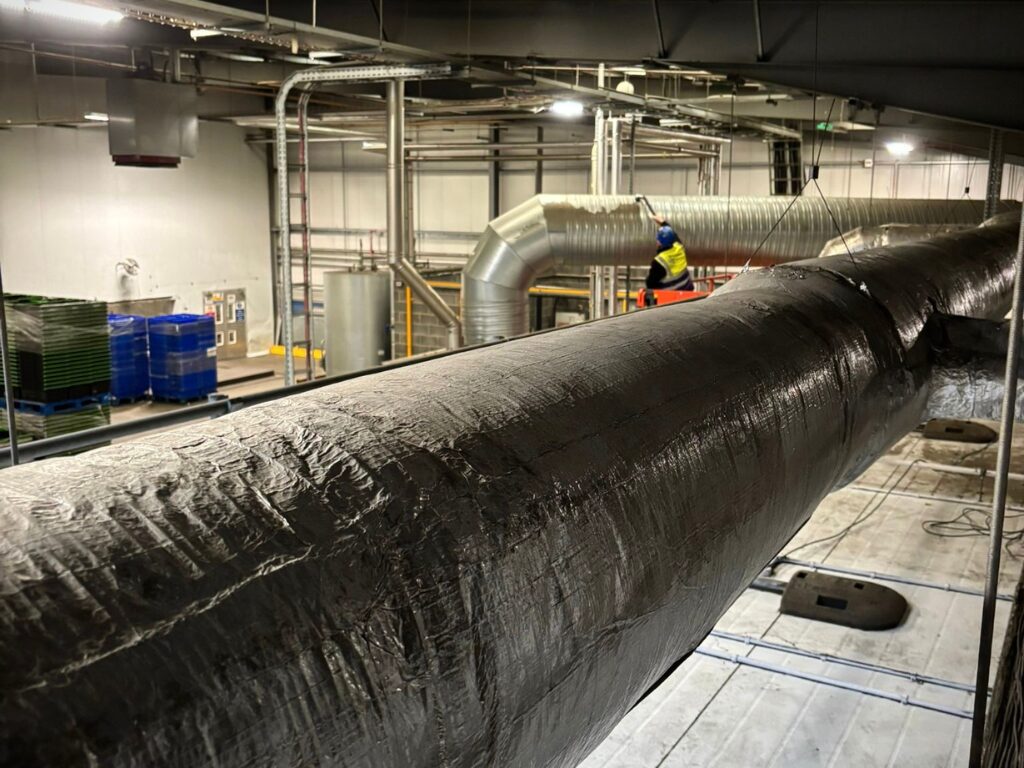
High-level vacuum systems are commonly used to extract dust directly from structural surfaces without dispersing particles into the surrounding environment.
This is particularly important in live warehouse environments where maintaining air quality is essential.
Specialist teams also assess:
- Access requirements
- Structural layouts
- Operational schedules
This ensures cleaning can be carried out safely while minimising disruption.
How Exterius supports combustible dust management
Exterius provides specialist industrial cleaning services and high level cleaning solutions for warehouses and commercial facilities across the UK.
Using professional vacuum systems and trained technicians, dust can be safely removed from elevated structures including roof beams, lighting systems and racking.
Cleaning programmes are tailored to each facility, ensuring work is carried out safely while maintaining operational continuity.
By addressing dust accumulation early, businesses can reduce risk, protect infrastructure and maintain compliance.
Combustible dust is one of the most overlooked risks in warehouse and industrial environments.
While it accumulates gradually, the potential consequences can be severe if it is not managed correctly.
Understanding where dust gathers and implementing structured inspection and cleaning programmes are essential steps in maintaining safe facilities.
High level cleaning plays a critical role in controlling this hidden hazard.
For businesses operating warehouses and industrial sites, managing combustible dust is not simply a cleaning task. It is a key part of protecting people, maintaining compliance and ensuring long term operational performance. Contact Exterius for high-level cleaning services today.
