The Hidden Risks on Your Warehouse Floor: Why Professional Cleaning Is Essential
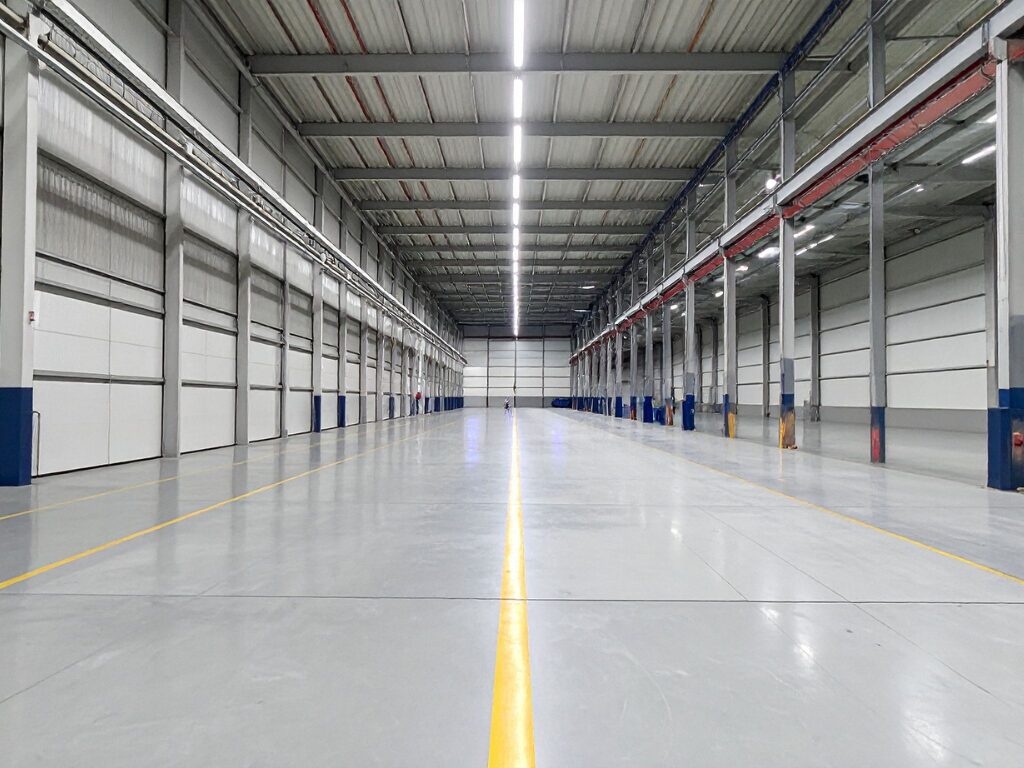
In warehouse environments, the focus is often on what is moving.
Stock, equipment, vehicles, people. Operations are fast-paced, and attention is naturally drawn to productivity and throughput.
What is often overlooked is the surface everything depends on.
The floor.
Over time, warehouse floors are subjected to constant traffic, heavy loads, and daily operational activity. While this wear and contamination build gradually, the risks associated with it can increase quickly.
For many facilities, warehouse floor cleaning is only addressed once an issue becomes visible. By that point, the impact is already being felt across safety, performance, and compliance.
What Builds Up on Warehouse Floors Over Time
Contamination in warehouse environments does not happen suddenly. It develops as a natural result of daily operations.
Dust, debris, and packaging materials settle across the floor. Machinery introduces oil and residue. Forklift traffic leaves tyre marks and spreads contamination further across the site.
Spillages may be dealt with at the time, but residue often remains, gradually affecting surface conditions.
Because this build-up is incremental, it is easy to overlook. Floors may appear acceptable at a glance, while underlying conditions continue to deteriorate.
The Safety Risks of Poor Floor Maintenance
As contamination builds, the most immediate impact is on safety.
Warehouse floors play a critical role in maintaining safe movement for both people and vehicles. When surfaces are compromised, the likelihood of incidents increases.
Common risks include:
- slips caused by oil, dust, or residue
- reduced traction for forklifts and pallet trucks
- obscured floor markings and designated walkways
- uneven surface conditions due to accumulated debris
In busy warehouse environments, even small changes in floor condition can have a significant impact.
From a warehouse safety compliance perspective, these risks are not optional considerations. They are part of a facility’s duty of care.
The Impact on Operations and Efficiency
Floor condition does not only affect safety. It directly impacts operational performance.
Contaminated or poorly maintained floors can slow the movement of goods, increase wear on equipment, and create inefficiencies across the site.
Forklifts operating on compromised surfaces may need to reduce speed. Manual handling becomes more difficult. Movement through the warehouse becomes less predictable.
Over time, this leads to:
- reduced productivity
- increased strain on equipment
- more frequent maintenance requirements
- disruption caused by reactive cleaning interventions
What starts as a cleaning issue quickly becomes an operational one.
Compliance and Audit Expectations
Warehouse environments are subject to ongoing inspection and compliance requirements.
Cleanliness is not assessed in isolation. It is considered as part of a broader evaluation of safety and risk management across the site.
Auditors and inspectors will look for:
- clear and visible floor markings
- safe and unobstructed walkways
- evidence of consistent maintenance
- absence of contamination in operational areas
Inconsistent cleaning standards can raise concerns, even where no incident has occurred.
A proactive approach to industrial floor cleaning demonstrates control, consistency, and a clear commitment to maintaining safe working conditions.
Why Reactive Cleaning Falls Short
In many warehouses, cleaning is still approached reactively.
A problem appears, and it is addressed. However, this approach allows contamination to build over time, increasing both the scale of the issue and the cost of resolving it.
Reactive cleaning often leads to:
- larger, more intensive cleaning requirements
- disruption to operations
- higher labour and equipment costs
- increased risk exposure before action is taken
By the time cleaning is carried out, the problem is no longer minor.
Planned warehouse cleaning services take a different approach. They focus on maintaining standards consistently, rather than correcting them after they decline.
What Effective Warehouse Floor Cleaning Looks Like
Effective warehouse floor cleaning is not about occasional deep cleans. It is about maintaining control over the environment.
This typically involves:
- scheduled cleaning based on traffic levels and usage
- the use of industrial-grade equipment suited to large-scale environments
- removal of ingrained dirt, oil, and residue
- consistent monitoring of floor condition
The aim is not simply to improve appearance, but to maintain safety, efficiency, and compliance at all times.
Minimising Disruption Through Planned Cleaning
One of the common concerns around professional cleaning is disruption.
In practice, a structured approach allows cleaning to be carried out with minimal impact on operations.
This may include working outside of peak hours, scheduling around key activities, or dividing the site into manageable sections.
By planning cleaning activity in advance, businesses can avoid the disruption that often comes with urgent, reactive interventions.
Why Professional Cleaning Is Essential
Warehouse environments require more than basic cleaning solutions.
Large floor areas, heavy traffic, and industrial contamination demand the right equipment, trained operatives, and a clear understanding of how to work safely within live environments.
Professional commercial cleaning services ensure:
- full coverage across all floor areas
- safe handling of industrial contaminants
- consistent results over time
- compliance with health and safety standards
Without this level of expertise, it becomes difficult to maintain the standards required in modern warehouse operations.
Why Businesses Choose Exterius
Exterius provides specialist warehouse cleaning services designed around safety, performance, and compliance.
All work is carried out by fully trained, in-house teams, ensuring consistency and accountability across every site.
Our approach is structured and safety-led, with cleaning programmes tailored to the specific demands of each warehouse environment.
This includes:
- industrial floor cleaning for high-traffic areas
- removal of oil, residue, and ingrained contamination
- support for maintaining clear markings and safe movement routes
- flexible scheduling to minimise operational disruption
By focusing on long-term maintenance rather than short-term fixes, Exterius helps businesses maintain control of their environment.
Warehouse floors are often overlooked, but they play a central role in safety, efficiency, and compliance.
Contamination builds gradually. Risk develops over time. The impact is often only recognised once it begins to affect operations.
Reactive cleaning may address issues temporarily, but it does not prevent them.
A structured approach to warehouse floor cleaning ensures that standards are maintained consistently, supporting safer working conditions and more efficient operations.
FAQs
How often should warehouse floors be cleaned?
This depends on usage and traffic levels, but high-activity areas typically require regular, scheduled cleaning.
Can warehouse floor cleaning improve safety?
Yes. Removing contaminants reduces slip risks and improves visibility of floor markings.
Will cleaning disrupt operations?
Not when planned correctly. Cleaning can be scheduled around operational activity to minimise impact.
What type of cleaning is used in warehouses?
Industrial floor cleaning uses specialist equipment designed to remove heavy contamination across large areas.
