Commercial Roof Cleaning and the Hidden Drainage Risk Most Sites Ignore
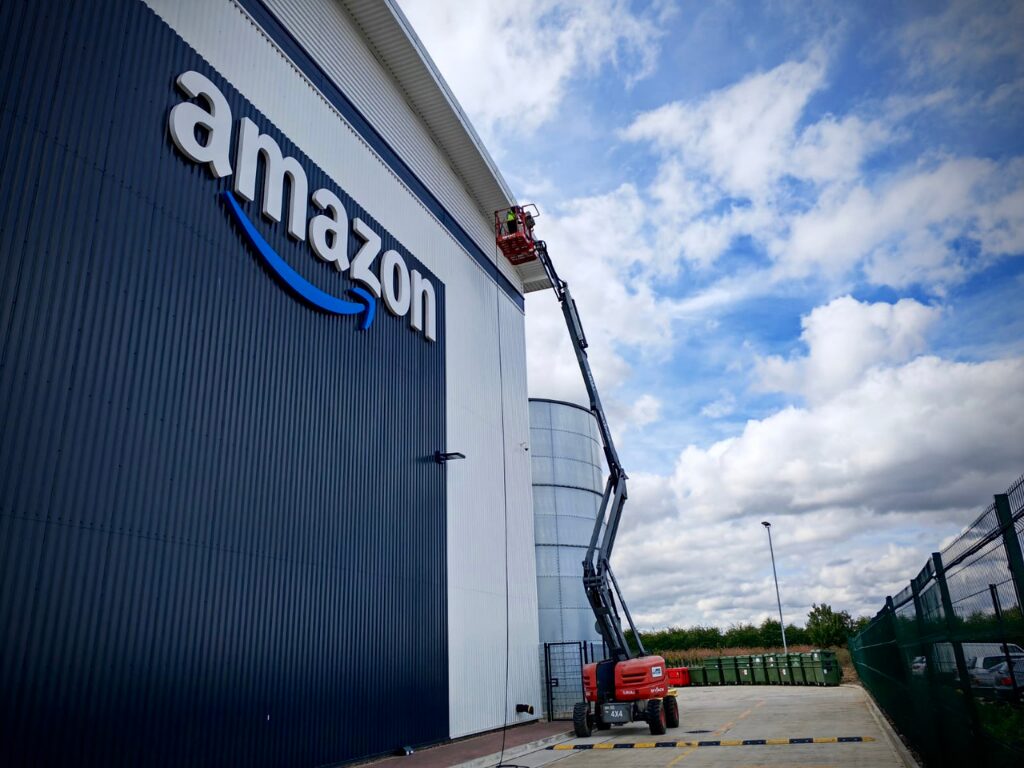
Commercial roof cleaning is often overlooked because roofs are out of sight.
Facilities teams may regularly inspect entrances, floors, car parks, loading bays and external walls, while the roof is only checked when there is a leak, blockage or visible problem.
By that point, the issue may already have developed.
For commercial and industrial buildings, roof cleaning is not just about appearance. It plays a direct role in drainage, building protection and long-term maintenance.
The biggest risk is often not the roof surface itself.
It is what collects there.
Roofs collect more than rainwater
Commercial roofs are exposed to weather, debris, pollution and organic matter all year round.
Leaves, moss, algae, silt, litter, bird fouling and general dirt can gradually build across roof surfaces, gutters, valleys and drainage points.
On large commercial buildings, this build-up can go unnoticed for long periods because the affected areas are not visible from ground level.
The roof may appear to be functioning normally until rainfall increases or a drainage route becomes blocked.
That is when the problem becomes harder to ignore.
Drainage is the hidden risk
Most commercial roofs are designed to move water away from the building quickly and safely.
When drainage channels, gutters or outlets become blocked, water cannot flow as intended. It begins to pool, overflow or find alternative routes into the building.
This can create issues such as:
- water ingress
- internal leaks
- damage to ceilings,
- stock or equipment
- blocked gutters and outlets overflow onto walkways or entrances
- increased strain on roof materials
For warehouses, factories, retail units and commercial buildings, even a small drainage issue can become disruptive if it affects operations.
A blocked outlet during heavy rainfall can feel sudden, even though the cause may have been building for months.
Why reactive roof cleaning costs more
Reactive roof cleaning usually happens after something has gone wrong.
A leak appears. A gutter overflows. Water enters the building. A landlord raises a concern. An inspection identifies a blocked drainage point.
At that stage, cleaning becomes urgent.
Access may need to be arranged quickly. Work may need to be planned around weather, safety controls and operational disruption. Any damage caused by water ingress may need to be dealt with separately.
Planned roof cleaning is different.
It removes debris before it blocks drainage routes and gives facilities teams a clearer picture of the roof’s condition. It also makes routine inspections easier because defects are less likely to be hidden beneath moss, silt or organic build-up.
Access and safety matter
Commercial roof cleaning should never be treated as a basic cleaning task.
Roofs involve height, access planning, fragile surfaces, weather conditions and site-specific risks. The work needs to be carried out by trained operatives with the right equipment and method statements in place.
A proper roof cleaning plan should consider how the roof will be accessed, how debris will be removed, how drainage points will be cleared and how disruption to the site will be managed.
For facilities managers, this documentation matters. It supports health and safety, insurance and wider building maintenance responsibilities.
The right time to act
The best time to clean a commercial roof is before there is a visible problem.
Seasonal changes make this especially important. Autumn leaves, winter weather, spring growth and summer dust can all affect roof drainage in different ways.
A planned roof cleaning schedule helps prevent debris from reaching the point where it causes blockages, water movement issues or internal disruption.
For busy sites, this is far easier to manage than waiting for a leak.
Commercial roof cleaning is not just about keeping the top of a building clean. It is about protecting drainage, reducing avoidable risk and helping facilities teams maintain better control over the building.
Exterius supports commercial and industrial sites with roof cleaning, gutter and drainage clearance, exterior cleaning and planned maintenance programmes across the UK.
If your roof has not been reviewed recently, Exterius can help assess the condition and plan the right approach.
FAQs
How often should a commercial roof be cleaned?
This depends on the building, location and level of debris build-up. Sites surrounded by trees, exposed to heavy weather or operating in industrial areas may need more frequent roof and gutter checks.
Why is roof drainage such a serious issue for commercial buildings?
Blocked gutters, outlets or drainage channels can cause water to pool or overflow. This can lead to leaks, internal damage, operational disruption and increased strain on the roof structure.
Can roof cleaning be carried out while the site is operational?
In many cases, yes. Commercial roof cleaning can often be planned around site activity, access requirements and weather conditions to minimise disruption. The work should be supported by access planning, RAMS and trained operatives.
