What Birmingham Warehouse Operators Should Prioritise in Specialist Cleaning
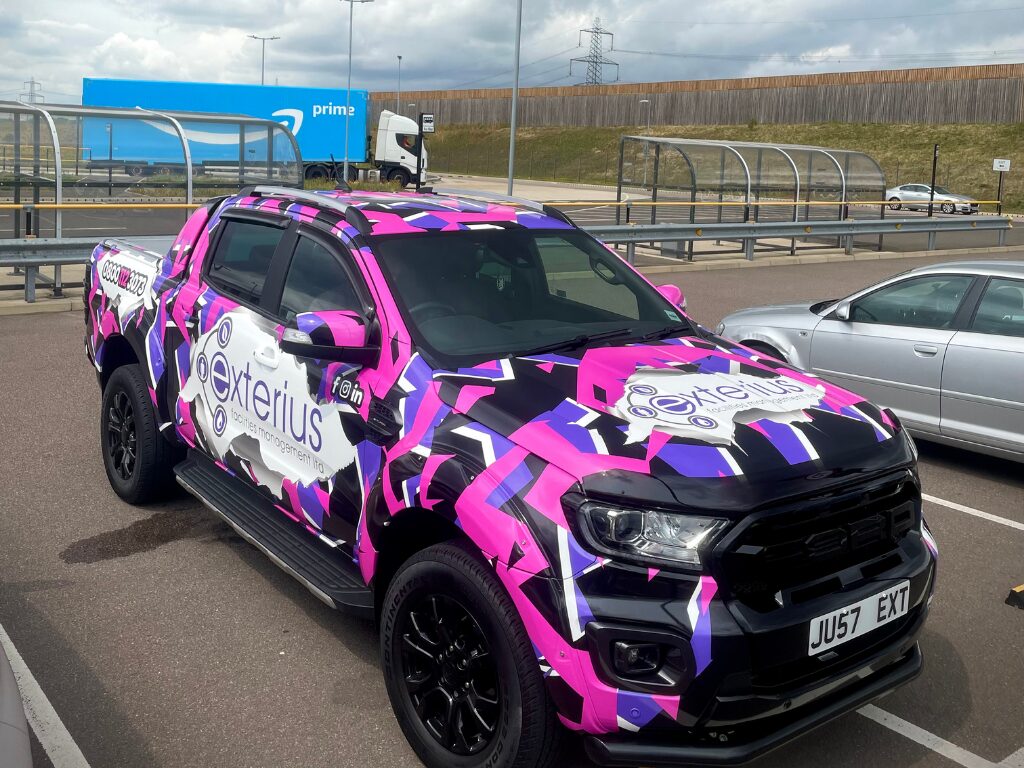
Birmingham and the wider West Midlands is one of the UK’s most active logistics and manufacturing regions, with major distribution hubs concentrated around the M6, M42 and M5 corridors.
High throughput, 24-hour operations and complex site layouts make warehouse cleaning one of the most challenging and most frequently overlooked aspects of site management.
When cleaning is not managed properly, the consequences can be significant. Slip incidents, combustible dust accumulation, failed audits, operational disruption and insurance complications can all be linked back to poor warehouse maintenance.
This guide explains what Birmingham warehouse operators should prioritise when planning specialist cleaning support.
The Unique Cleaning Challenges of Busy Warehouse Environments
Warehouse cleaning is very different from general commercial cleaning.
In busy industrial environments, cleaning has to account for constant movement, heavy equipment, high level structures, racking systems, loading bays, floor contamination and operational pressures.
High footfall and vehicle traffic mean floor cleaning is both more important and more difficult to schedule. Forklifts, pallet trucks, staff, delivery vehicles and stock movements all contribute to surface contamination. Dust, tyre marks, oil residue, packaging debris and spillages can build quickly across high traffic zones.
The challenge is not limited to the floor.
Racking systems, ducting, roof beams, lighting and roof-level fixtures can accumulate dust and debris that is not visible from ground level. This can create compliance, fire safety and air quality concerns if it is not managed through planned high-level cleaning.
Loading bays are another key risk area. They are often the dirtiest and most frequently neglected parts of a warehouse site because they connect internal operations with external vehicle movement, weather exposure and delivery activity.
Food-grade and pharmaceutical warehouses face additional compliance pressures around hygiene, contamination control and documentation.
Automated and sorter-based warehouses can also require specialist internal cleaning, including label removal, debris clearance and cleaning around conveyors, chutes and machinery. These environments need trained operatives who understand how to work around sensitive systems without disrupting site operations.
Combustible Dust Is a Risk Warehouse Operators Cannot Ignore
Dust build-up in warehouses should never be treated as a minor housekeeping issue.
In industrial environments, dust and airborne particles can collect in areas that are difficult to access, including racking beams, roof fixtures, ducting, lighting, cable trays, internal cladding and overhead structures.
This matters because some dust types can contribute to fire loading or combustible dust risk, depending on the materials handled on site. Even where dust is not combustible, accumulation can still affect air quality, audit outcomes and general site safety.
The issue is that high-level dust is often hidden.
From ground level, a warehouse may appear clean while contamination continues to build above head height. By the time dust is visible from below, the site may already require more intensive cleaning.
Regular high-level cleaning is one of the key control measures for managing this risk. It should also be documented properly so facilities managers, operations directors and health and safety teams have a clear record of what has been cleaned and when.
Exterius provides high-level warehouse cleaning using specialist access equipment and trained operatives, with before-and-after photographic records available to support internal reporting and compliance documentation.
Warehouse Floor Cleaning in Active Industrial Sites
Warehouse floors carry the full weight of site activity.
Every shift adds more traffic, more movement and more potential contamination. In Birmingham’s industrial and logistics environments, floors are often under constant pressure from forklifts, pallet trucks, deliveries, footfall and machinery.
Industrial floor cleaning in active warehouses requires more than standard mopping or sweeping.
It often involves scrubber-dryer machinery, specialist degreasers and operatives trained to work safely around live operations. Heavily contaminated floors may require targeted treatment where oil, grease, residue or chemical spillages have affected the surface.
Professional warehouse floor cleaning can help manage:
- slip risk
- dust and residue build-up
- tyre marks
- oil and grease contamination
- obscured floor markings
- debris in traffic routes
- contamination around machinery and loading areas
Scheduling is also important.
Floor cleaning can often be carried out out of hours, during quieter shifts or in phased sections to reduce disruption. For 24-hour operations, this kind of planning is essential.
Anti-slip performance should also be considered as part of a wider cleaning and maintenance programme. If a floor becomes hazardous when wet or contaminated, cleaning alone may not be enough. In these cases, anti-slip floor solutions may help improve safety and reduce ongoing risk.
High-Level and Duct Cleaning
Any warehouse with racking, beams or overhead structures needs to consider high-level cleaning.
As a general rule, the higher and more complex the environment, the more likely it is that routine cleaning will miss important areas. Warehouses with racking above four metres, mezzanine structures, overhead ducting or roof-level fixtures usually require specialist access methods.
This may involve scissor lifts, boom lifts, mobile access platforms or other suitable access equipment depending on the site layout and risk assessment.
High-level cleaning may include:
- roof beams
- racking tops
- ducting
- internal cladding
- lighting
- cable trays
- pipework
- mezzanines
- overhead structures
- roof-level fixtures
In production or food environments, ducting and extract systems may also need to be cleaned to specific ventilation hygiene standards. TR19 is commonly referenced in relation to ventilation hygiene and ductwork cleaning, particularly where fire safety, grease or dust control are relevant.
High-level cleaning should usually be planned at least annually, and more frequently in dusty or high-output environments.
Exterius provides full high-level cleaning programmes with documented risk assessments, safe systems of work and sign-off reporting to support facilities and compliance teams.
Loading Bays and External Hard Standings
Loading bays are often the first place contamination enters a warehouse.
They are exposed to vehicle residue, oil, dirt, moisture, packaging debris, weather and heavy operational use. If these areas are not cleaned regularly, contamination can be tracked into internal spaces and spread across warehouse floors.
For Birmingham and West Midlands industrial sites with frequent deliveries, loading bays and external hard standings should be part of the planned cleaning schedule.
Common issues include:
- oil and grease residue
- tyre marks
- dust and dirt transfer
- packaging debris
- slippery surfaces
- blocked or dirty drainage areas
- contaminated pedestrian routes
- poor first impressions for visitors and suppliers
Cleaning these areas helps reduce slip risk, control dirt transfer and maintain safer movement between external and internal zones.
It also supports the overall presentation of the site, which matters during client visits, audits, inspections and landlord reviews.
How Birmingham Warehouse Operators Should Structure Their Cleaning Programme
The most effective warehouse cleaning programmes are planned, layered and documented.
A single annual deep clean is rarely enough for a busy industrial site. Instead, cleaning should be structured around the risk profile of the environment, operational activity and compliance requirements.
A typical structure may include:
Daily or weekly cleaning
Floor sweeping, loading bay clearance, welfare facility cleaning, spill management and general housekeeping.
Monthly cleaning
More detailed floor scrubbing, traffic route cleaning, external hard standing maintenance, car park cleaning and targeted cleaning in high-use zones.
Quarterly or annual specialist cleaning
High-level cleaning, duct cleaning, internal cladding cleaning, external building cleaning, warehouse floor deep cleaning, access equipment cleaning and specialist surface treatments.
As-required cleaning
Reactive spill response, pest debris removal, chewing gum removal, graffiti removal, specialist contamination cleaning and anti-slip floor treatment.
A planned maintenance contract with a specialist provider in Birmingham gives warehouse operators a clearer structure. It helps ensure all scheduled elements are completed, documented and aligned with operational demands.
For facilities managers, this creates a stronger compliance record and reduces reliance on urgent reactive callouts.
Why Planned Cleaning Is More Effective Than Reactive Cleaning
Reactive cleaning usually happens after a problem has already become visible.
A floor becomes slippery. Dust appears during an audit. A loading bay becomes heavily contaminated. A client visit highlights poor presentation. A health and safety concern is raised.
By that point, the work is often more urgent, more disruptive and more expensive.
Planned specialist cleaning gives warehouse operators more control.
It allows cleaning to be scheduled around shifts, shutdown windows, quieter operational periods or phased sections of the site. It also helps spread costs across the year and provides a documented maintenance record.
This supports:
- stronger health and safety management
- better budget control
- reduced operational disruption
- clearer audit evidence
- lower risk of emergency callouts
- better site presentation
- safer floor and loading bay conditions
- improved long-term asset maintenance
For busy Birmingham warehouse sites, this level of planning is essential.
Why Warehouse Operators Choose Exterius
Exterius works with warehouse, logistics and industrial operators across Birmingham, the West Midlands and nationally.
Our work is designed for busy environments where safety, access, documentation and operational continuity all matter. We understand that warehouse cleaning has to be planned carefully, delivered safely and scheduled around the realities of live sites.
Exterius provides:
- warehouse and sortation centre cleaning
- industrial floor cleaning
- high-level cleaning
- duct and overhead structure cleaning
- loading bay cleaning
- external hard standing cleaning
- internal cladding cleaning
- anti-slip floor solutions
- external building cleaning
- planned maintenance contracts
As an EcoVadis Gold-rated specialist cleaning company, Exterius is committed to responsible, sustainable and well-managed operations.
Every project is supported by appropriate RAMS documentation, trained operatives and clear communication. We use specialist equipment for warehouse cleaning tasks and provide photographic evidence and reporting where required.
For 24-hour operations or high-throughput sites, cleaning can be planned flexibly to reduce disruption and support ongoing compliance.
FAQs
How often should a warehouse be professionally cleaned?
This depends on the size of the site, traffic levels, contamination type and compliance requirements. Busy warehouses often need regular floor cleaning, with high-level and specialist cleaning scheduled quarterly, annually or more frequently in dusty environments.
Do you clean active warehouses or do we need to shut down?
In many cases, cleaning can be carried out while the warehouse remains operational. Work can be planned out of hours, around shifts or in phased sections to minimise disruption.
What accreditations does Exterius hold?
Exterius is an EcoVadis Gold-rated specialist cleaning company and provides RAMS documentation to support safe working, insurance and compliance requirements.
Can you provide ongoing planned maintenance contracts in Birmingham?
Yes. Exterius can provide planned warehouse cleaning and specialist cleaning contracts for Birmingham and West Midlands businesses that need scheduled support throughout the year.
Do you cover the wider West Midlands?
Yes. Exterius supports warehouse, logistics, industrial and commercial sites across Birmingham, Solihull, the West Midlands and the wider UK.
What is included in warehouse cleaning?
Warehouse cleaning can include floor cleaning, high-level cleaning, loading bay cleaning, internal cladding cleaning, dust removal, racking area cleaning, external hard standing cleaning and specialist surface treatment.
Speak to Exterius About Specialist Warehouse Cleaning
If you manage a warehouse, logistics hub or industrial site in Birmingham, Solihull or the wider West Midlands, Exterius can help you build a safer and more structured cleaning programme.
Contact Exterius to arrange a site assessment and discuss a planned warehouse cleaning proposal.
