Why Anti-Slip Flooring Is a Compliance Issue, Not Just a Safety Upgrade
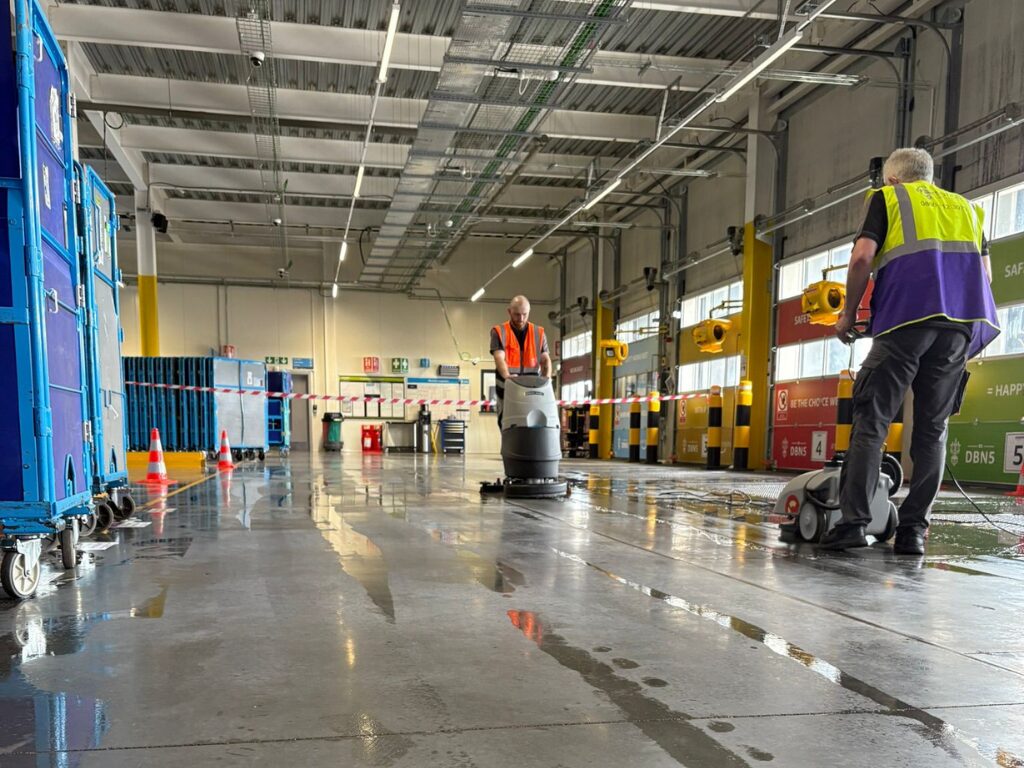
Anti-slip flooring is often treated as a practical improvement.
A surface becomes slippery, an incident occurs, or staff begin raising concerns, and the business looks for a way to improve grip.
However, anti-slip flooring should not be viewed only as a safety upgrade. In commercial and industrial environments, it is also a compliance issue.
Floors form part of a site’s wider duty of care. If a surface creates avoidable slip risk, the responsibility does not end with warning signs or occasional cleaning. Facilities managers, operations teams and business owners are expected to identify risks, manage them and show that reasonable steps have been taken to protect staff, visitors, contractors and customers.
This is where anti-slip floor solutions become part of a structured compliance strategy.
Slip Risk Is a Facilities Management Responsibility
Slips are one of the most common workplace safety risks.
In busy commercial environments, floor surfaces are constantly affected by footfall, moisture, cleaning residue, oils, dust, weather exposure and operational activity. Over time, the condition of the surface can change.
A floor that was once suitable may become harder to manage as the site becomes busier, the surface wears, or contamination becomes more frequent.
High-risk areas often include:
- entrances
- ramps
- corridors
- kitchens
- washdown areas
- loading bays
- warehouse walkways
- external pathways
- production areas
- retail floors
- welfare facilities
For facilities managers, these areas cannot be managed by appearance alone. A floor may look clean while still presenting a slip risk under wet or contaminated conditions.
Anti-slip flooring helps address the performance of the surface itself, not just the visible condition of the floor.
Why Cleaning Alone Is Not Always Enough
Cleaning is an essential part of floor safety.
Regular cleaning removes contaminants such as oil, dust, grease, mud, residue and moisture that can reduce surface grip. However, cleaning alone cannot always solve the underlying issue.
Some surfaces are naturally smooth. Others become polished through heavy use. Some lose grip when wet. In certain environments, contamination is unavoidable because of the way the site operates.
This is common in:
- commercial entrances exposed to rain
- industrial sites with oil or residue
- food production areas
- warehouses with heavy vehicle movement
- external walkways affected by moss or algae
- hospitality and retail spaces with regular spill risks
- loading bays exposed to weather and vehicle traffic
In these environments, a cleaning schedule may reduce risk but not remove it fully.
If the floor surface does not provide enough grip, businesses may need to consider anti-slip flooring, anti-slip coatings or specialist surface treatments as part of a broader risk control plan.
The Compliance Issue: Can You Show the Risk Has Been Managed?
Compliance is not only about having a safe workplace. It is also about being able to show that risks have been properly considered and controlled.
If a slip incident occurs, questions may be asked about:
- when the risk was first identified
- whether the area had a history of issues
- what cleaning schedule was in place
- whether the surface was suitable for its use
- whether any testing or assessment was carried out
- what control measures were implemented
- whether staff, visitors or contractors were adequately protected
Warning signs and reactive cleaning may not be enough if the floor continues to present a known risk.
Anti-slip flooring provides a more permanent control measure where surface grip is part of the problem. It shows that the business has taken practical steps to reduce risk at source rather than relying only on temporary measures.
Why Reactive Action Leaves Businesses Exposed
Many businesses only review floor safety after an incident or near miss.
By that point, the risk has already affected the site. A member of staff may have been injured. A visitor may have made a complaint. An insurer may become involved. An internal investigation may highlight that the issue had been developing for some time.
Reactive action can leave businesses exposed because it suggests that floor safety was not being managed proactively.
Common reactive measures include:
- placing warning signs after slips occur
- arranging emergency cleaning
- adding temporary mats
- reviewing the area only after complaints
- waiting for an audit to flag the issue
- repairing surfaces after damage becomes obvious
These steps may be necessary in the short term, but they do not always provide a suitable long-term solution.
A proactive approach identifies high-risk areas before incidents occur and applies the right control measures early.
Where Anti-Slip Flooring Makes the Biggest Difference
Anti-slip floor solutions are particularly valuable in areas where contamination, moisture or heavy use are unavoidable.
These are the places where even good cleaning standards may not fully control the risk.
Entrances and Reception Areas
Entrances are exposed to rainwater, dirt and high footfall. During wet weather, moisture can be carried inside and spread across smooth flooring.
Anti-slip treatment can help improve grip and reduce the risk of slips in areas where visitors, staff and contractors enter the building.
Loading Bays and Service Areas
Loading bays experience vehicle movement, weather exposure, oil residue, debris and constant operational activity.
These areas often need both regular cleaning and surface-level slip resistance to maintain safer working conditions.
Warehouses and Industrial Floors
Warehouse floors are affected by forklifts, pallet trucks, dust, packaging debris, tyre marks and spillages.
Where floors become smooth or contaminated, anti-slip coatings can help support safer pedestrian and vehicle movement.
Food Production and Washdown Areas
In environments where water, grease or cleaning chemicals are regularly present, floor safety must be managed carefully.
Anti-slip solutions can help reduce risk in areas where wet conditions are part of normal operations.
External Walkways and Ramps
External paths, ramps and access routes are exposed to rain, frost, algae, moss and organic debris.
Surface grip can become a major issue, particularly during colder or wetter months.
Anti-Slip Flooring and Planned Maintenance
Anti-slip flooring should not be treated as a one-off fix.
Like any safety measure, it needs to be inspected, maintained and reviewed over time. The performance of a floor can change depending on traffic, cleaning methods, contamination levels and surface wear.
A planned maintenance approach may include:
- floor condition assessments
- slip risk reviews
- scheduled cleaning
- anti-slip coating application
- surface preparation
- regular inspections
- testing where appropriate
- maintenance records
- review after incidents or near misses
This creates a stronger compliance position because it shows the business is actively managing floor safety rather than responding only when problems occur.
For facilities teams, records are important. They help demonstrate that the site has identified risk areas, implemented controls and maintained them over time.
Why Anti-Slip Flooring Supports Insurance and Audit Requirements
Insurers, auditors and health and safety teams often look for evidence that risks are being managed consistently.
If a business has known wet areas, high footfall zones or operational spaces with recurring slip risk, it may be expected to show what measures are in place.
Anti-slip flooring can support this by providing a clear, practical control measure.
It can also form part of wider documentation, including:
- risk assessments
- maintenance schedules
- cleaning records
- incident reviews
- insurance evidence
- health and safety audits
- site inspection reports
- contractor documentation
This is particularly important for commercial buildings, warehouses, industrial sites, hospitality settings, retail environments and public-facing premises.
When anti-slip flooring is documented properly, it becomes more than a safety improvement. It becomes part of the site’s compliance record.
Choosing the Right Anti-Slip Solution
Not every floor requires the same treatment.
The correct solution depends on the surface type, level of traffic, contamination risk, internal or external environment, and the way the area is used.
Before applying any anti-slip coating or floor treatment, a specialist provider should consider:
- the existing floor material
- current surface condition
- whether the area is wet, dry or contaminated
- level of footfall or vehicle traffic
- cleaning methods currently used
- operational disruption
- required durability
- health and safety requirements
Using the wrong product or method can lead to poor performance, premature wear or unnecessary disruption.
A professional assessment ensures the anti-slip solution is suited to the environment and supports the wider cleaning and maintenance strategy.
Why Anti-Slip Flooring Works Best Alongside Specialist Cleaning
Anti-slip flooring is most effective when it forms part of a wider site maintenance plan.
If a floor is coated but not cleaned correctly, contamination can still build on the surface. If cleaning products are unsuitable, they may affect performance. If the area is not inspected, wear may go unnoticed.
This is why anti-slip flooring and specialist cleaning should work together.
A complete approach may include:
- deep cleaning before treatment
- surface preparation
- anti-slip coating or treatment
- ongoing specialist cleaning
- inspection and maintenance
- clear documentation
- planned review intervals
This helps maintain performance over the long term and reduces the chance of the same problem returning.
How Exterius Supports Anti-Slip Floor Compliance
Exterius provides anti-slip floor solutions for commercial and industrial environments across the UK.
Our work is designed to help businesses improve surface safety, reduce slip risk and support wider compliance requirements.
We support facilities managers, operations teams and property owners with:
- anti-slip floor coating
- safety flooring solutions
- floor preparation
- industrial floor cleaning
- warehouse floor cleaning
- entrance and walkway treatment
- loading bay cleaning
- external surface cleaning
- planned maintenance programmes
Each project is assessed based on the condition of the site, the type of surface, the level of risk and the operational requirements of the business.
As a specialist cleaning provider, Exterius can also support the surrounding cleaning and maintenance programme to help anti-slip treatments perform effectively over time.
Our work is delivered by trained teams with appropriate planning, documentation and communication throughout.
Conclusion
Anti-slip flooring should not be seen as an optional upgrade.
In commercial and industrial environments, floor safety is part of wider compliance, risk management and duty of care. Where surfaces are known to become slippery, worn or difficult to control through cleaning alone, businesses need to take practical steps to manage the risk.
Anti-slip floor solutions help reduce reliance on temporary measures and support a more proactive approach to workplace safety.
For facilities managers and operations teams, the strongest approach is planned, documented and maintained over time.
Cleaning, floor treatment and ongoing inspection should work together to create safer surfaces and stronger compliance records.
Contact Exterius to discuss anti-slip flooring and specialist floor safety solutions for your site.
FAQs
Is anti-slip flooring a legal requirement?
Anti-slip flooring is not always required in every environment, but businesses are expected to manage slip risks appropriately. If a surface presents a known or foreseeable risk, anti-slip flooring or surface treatment may be a suitable control measure.
When should a business consider anti-slip floor coating?
A business should consider anti-slip floor coating when floors become slippery when wet, contaminated or heavily used, and cleaning alone does not adequately control the risk.
Can anti-slip flooring reduce workplace accidents?
Yes. Anti-slip flooring can help improve surface grip and reduce the likelihood of slips, particularly in entrances, loading bays, wet zones, warehouses and high traffic areas.
Does anti-slip flooring replace regular cleaning?
No. Anti-slip flooring should be used alongside regular and specialist cleaning. Contamination still needs to be removed to maintain surface performance.
What areas are most suitable for anti-slip treatment?
Common areas include entrances, ramps, walkways, loading bays, warehouse floors, kitchens, washdown zones, external paths and high footfall areas.
How long does anti-slip flooring last?
This depends on the surface, product used, traffic levels and maintenance routine. Regular inspection and suitable cleaning help maintain performance for longer.
Does Exterius provide anti-slip flooring for commercial sites?
Yes. Exterius provides anti-slip floor solutions for commercial and industrial environments across the UK.
