What to Look for in a Commercial Cleaning Contract
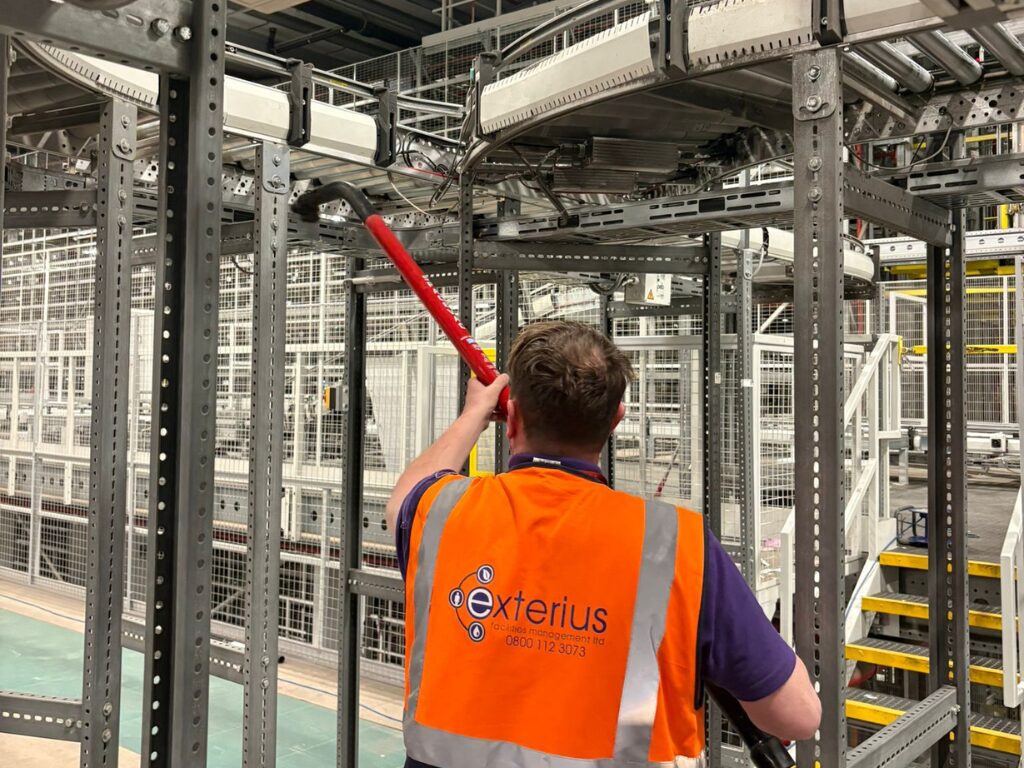
Whether you are renewing your current cleaning contract, going out to tender, or adding specialist services for the first time, the process is more complex than it may appear.
Commercial cleaning contracts vary significantly in scope, accreditation, risk management, reporting and specialist capability. A contract that looks competitive on paper can still leave gaps in compliance documentation, liability coverage or service delivery that only become obvious when something goes wrong.
This guide explains what facilities and operations managers should look for, and what to push back on, when evaluating a commercial cleaning partner.
Scope of Services: Define It Precisely
A commercial cleaning contract should clearly define exactly what will be cleaned, how often it will be cleaned and what standard is expected.
Ambiguity is one of the most common sources of dispute. Phrases such as “regular cleaning”, “periodic maintenance” or “as required” are open to interpretation unless they are supported by a clear schedule and specification.
A strong contract should separate routine cleaning from professional cleaning.
Routine cleaning may include offices, washrooms, welfare areas, touchpoints and accessible internal spaces. Specialist cleaning may include high-level cleaning, warehouse floors, external cladding, loading bays, façades, industrial equipment, car parks, chewing gum removal, anti-slip floor treatments or grounds maintenance.
Key areas to define include:
- daily cleaning responsibilities
- periodic specialist cleaning
- high-level cleaning intervals
- external building areas
- loading bays and service yards
- warehouse and industrial floors
- welfare facilities
- commercial windows and glazing
- specialist surfaces or coatings
- reporting requirements
This matters because general janitorial contracts often exclude specialist work. If those exclusions are not made clear, facilities teams can be left with gaps in coverage and unexpected costs later.
Accreditations and Compliance Standards
A credible commercial cleaning company should be able to demonstrate that it works to recognised standards.
Accreditations are not just badges for a website or tender document. They show that the company has been independently assessed against specific health and safety, quality, environmental or supply chain standards.
Relevant accreditations may include:
- CHAS or SafeContractor for supply chain and health and safety compliance
- ISO 9001 for quality management systems
- ISO 14001 for environmental management
- EcoVadis ratings for supply chain sustainability assessment
EcoVadis Gold status is a particularly strong indicator for organisations that need evidence of sustainability, ethical business practices and responsible supply chain management.
For facilities and operations managers, these accreditations provide reassurance that the cleaning company has formal processes in place. They can also support internal procurement requirements, landlord expectations, insurance considerations and client reporting.
Always ask for certificates and check validity dates. An expired accreditation should not be treated as current evidence of compliance.
RAMS: Risk Assessments and Method Statements
Every specialist cleaning task should be supported by site-specific RAMS.
RAMS confirm that the contractor has assessed the risks involved, identified appropriate control measures and communicated those controls to the operatives carrying out the work.
This is especially important for:
- high-level cleaning
- work at height
- industrial floor cleaning
- chemical cleaning
- external building cleaning
- DOFF steam cleaning
- cleaning in occupied environments
- loading bays and live operational areas
- heritage or delicate surfaces
- warehouse and factory environments
Generic or template RAMS are a red flag. They may suggest the contractor has not properly considered the specific risks of your site, the access requirements, the surface conditions, nearby operations or the people moving through the area.
For high-risk or specialist work, robust RAMS are non-negotiable.
Before awarding a commercial cleaning contract, ask to see examples. A professional specialist cleaning company should be able to provide clear, relevant and site-appropriate documentation.
Evidence of Work Completed
Professional cleaning companies should be able to evidence what has been completed.
For one-off specialist cleans, this may include before and after photographs, a service report and confirmation of the areas cleaned. For planned maintenance contracts, documentation should be issued after scheduled visits so that facilities teams have a clear record of activity.
This evidence matters.
Without documentation, there is no verifiable record of what was cleaned, when it was cleaned or to what standard. That can create issues during audits, incident reviews, insurance discussions or internal reporting.
A good commercial cleaning contract should specify:
- how work will be documented
- whether photographic evidence will be provided
- who receives service reports
- how issues or recommendations will be flagged
- how recurring work will be tracked
- how completed tasks will be signed off
For facilities and operations managers, reporting is not just administration. It is part of compliance control.
Liability Insurance and Contractor Responsibility
Insurance should be checked before any cleaning contract is agreed.
At a minimum, a commercial cleaning company should hold appropriate public liability insurance for the scope of work. For many commercial sites, this is commonly expected to be at least £5 million, although higher levels may be required depending on the site, client, landlord or risk profile.
Specialist or higher-risk cleaning may require additional scrutiny.
This can include work at height, chemical cleaning, industrial cleaning, external building cleaning, access equipment or cleaning around live operations.
Facilities managers should confirm:
- public liability insurance level
- employer’s liability insurance
- whether specialist activities are covered
- who is responsible for damage during cleaning
- how incidents would be reported and managed
- whether subcontractors are covered under the same standards
It is also important to clarify contractor responsibility. If damage occurs during cleaning, the contract should make clear how this will be handled, who will investigate it and what process applies.
This protects both the client and the cleaning provider.
Flexibility and Specialist Capability
Not every commercial cleaning company has specialist capability.
Many general cleaning providers are well suited to routine office cleaning, washroom cleaning and day-to-day janitorial work. However, they may not have the equipment, training or in-house expertise required for more complex environments.
This becomes a problem when a site has:
- high-level areas
- warehouse floors
- industrial contamination
- external cladding
- delicate stone or brickwork
- heritage surfaces
- production environments
- loading bays
- anti-slip flooring requirements
- large external spaces
If specialist work is passed to subcontractors, accountability can become diluted. It may also introduce additional risk around insurance, RAMS, communication, quality control and consistency.
Facilities managers should ask whether the cleaning company delivers specialist services in-house or relies on third parties.
Exterius brings specialist cleaning capability in-house across services including DOFF steam cleaning, high-level cleaning, industrial floor cleaning, external building cleaning, anti-slip floor solutions and grounds maintenance.
This gives clients a more consistent approach, clearer accountability and better control over safety documentation and delivery standards.
Contract Terms and Exit Provisions
Commercial cleaning contracts should be reviewed carefully before signing.
Notice periods, renewal clauses, termination rights and service level agreements can all affect how much control the facilities team has if service quality changes.
Some contracts may lock clients into extended terms with limited flexibility. Others may contain vague performance commitments that are difficult to measure or enforce.
Preferred arrangements usually include:
- clear scope of work
- defined service frequencies
- reasonable notice provisions
- specific performance standards
- transparent pricing
- clear escalation routes
- documented reporting requirements
- defined responsibilities for both parties
Service level agreements should be practical and specific. Commitments to “high standards” or “excellent service” are not enough unless they are supported by measurable expectations.
For example, a contract should define what areas are cleaned, how often, what evidence is provided and how issues are reported.
This allows both parties to work from the same expectations.
Cost Versus Value
Price will always matter, but the lowest quote is not always the best value.
A cheaper commercial cleaning contract may exclude specialist areas, documentation, access equipment, reporting, trained operatives or planned maintenance. These omissions can create additional costs later.
Facilities managers should look at the total value of the contract, including:
- scope coverage
- risk reduction
- compliance support
- quality assurance
- documentation
- specialist capability
- responsiveness
- long-term maintenance benefits
A well-structured cleaning contract should reduce uncertainty. It should help the business avoid reactive callouts, last-minute audit preparation, avoidable safety risks and inconsistent standards.
That value is often greater than a small saving on the monthly contract price.
Questions to Ask Before Awarding a Contract
Before appointing a commercial cleaning company, facilities and operations managers should ask practical, evidence-led questions.
These may include:
- What services are included and excluded?
- Do you provide specialist cleaning in-house?
- Can you provide current accreditation certificates?
- Do you issue site-specific RAMS?
- What insurance do you hold?
- Will we receive photographic evidence and service reports?
- How do you manage work in live environments?
- What training do your operatives receive?
- How do you handle issues, damage or missed work?
- What are the notice and termination provisions?
- Can you support planned maintenance as well as one-off projects?
A strong cleaning partner will welcome these questions. They should be able to answer them clearly and support their answers with evidence.
Why Facilities Managers Choose Exterius
Exterius works with commercial and industrial clients that need more than generic cleaning support.
Our services are designed for facilities teams, operations managers and property professionals who need specialist capability, safety-led delivery and clear documentation.
We support businesses with:
- commercial cleaning contracts
- specialist cleaning services
- warehouse and industrial cleaning
- high-level cleaning
- external building and cladding cleaning
- DOFF steam cleaning
- anti-slip floor solutions
- commercial window cleaning
- jet washing and open space cleaning
- grounds maintenance
- planned maintenance programmes
As an EcoVadis Gold-rated specialist cleaning company with CHAS accreditation, Exterius understands the importance of compliance, transparency and procurement scrutiny.
Every project is planned around the site environment, access requirements and operational constraints. RAMS documentation, trained operatives and clear communication are built into the process, with reporting and photographic evidence available where required.
For facilities managers looking for a specialist cleaning partner, Exterius provides the structure, accountability and capability needed to support safer, cleaner and better-maintained sites.
FAQs
How long should a commercial cleaning contract last?
This depends on the scope of work and the needs of the site. Some businesses prefer rolling contracts with reasonable notice periods, while others use fixed-term agreements for planned maintenance. The most important factor is that the contract includes clear scope, standards and review points.
What accreditations should a cleaning company hold?
Relevant accreditations may include CHAS, SafeContractor, ISO 9001, ISO 14001 and EcoVadis ratings. These demonstrate that the company has been assessed against recognised standards for safety, quality, environmental management or supply chain sustainability.
Can I get a specialist cleaning contract for one-off projects?
Yes. Specialist cleaning can be arranged as a one-off project or as part of an ongoing planned maintenance contract. This may include high-level cleaning, warehouse cleaning, DOFF steam cleaning, exterior building cleaning or anti-slip floor solutions.
How do I switch commercial cleaning company?
Start by reviewing your current contract terms, notice period and scope. Identify any service gaps, documentation issues or areas of poor performance. Then request a detailed proposal from a new cleaning company that clearly defines scope, frequency, reporting, RAMS, insurance and pricing.
What should be included in a commercial cleaning contract?
A commercial cleaning contract should include the areas covered, cleaning frequency, service standards, exclusions, reporting requirements, insurance details, RAMS requirements, pricing, review points and termination provisions.
Why does evidence of work matter?
Evidence of work provides a record of what was completed, when it was completed and to what standard. This can support audits, insurance reviews, internal reporting and incident investigations.
Speak to Exterius About Your Commercial Cleaning Contract
If you are reviewing your current cleaning supplier, going out to tender or looking to add specialist services to your facilities cleaning contract, Exterius can help.
Contact Exterius to discuss your cleaning requirements and receive a detailed scope proposal for your site.
