The Business Case for Planned Cladding Cleaning in Industrial and Commercial Facilities
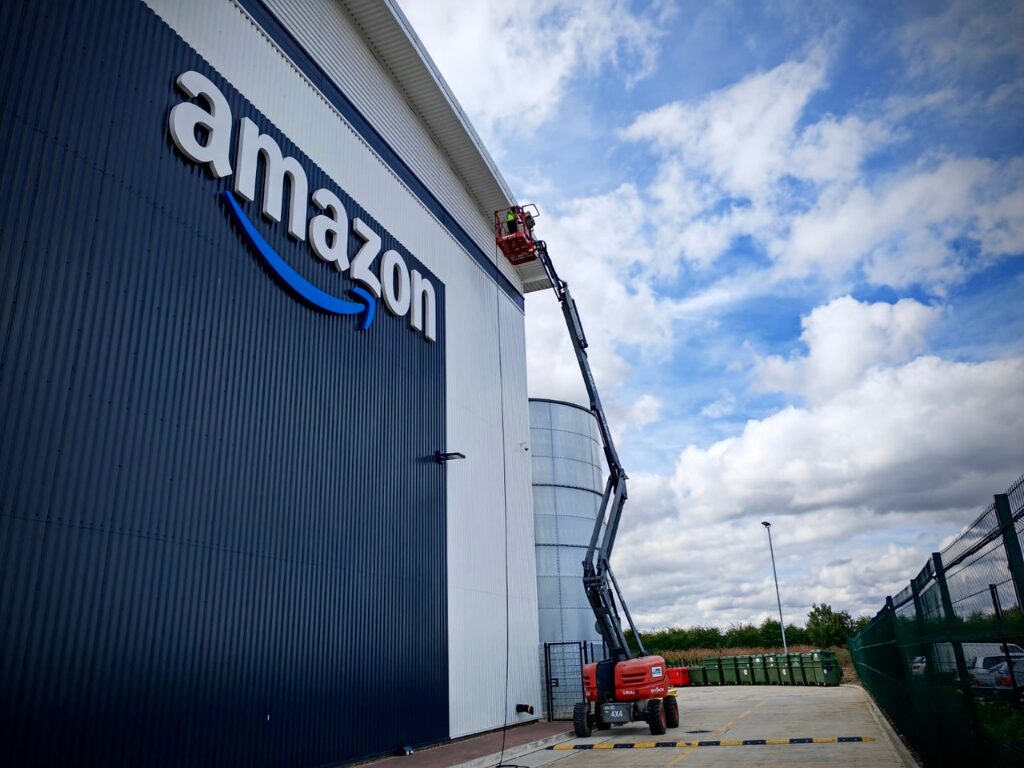
Cladding forms a critical part of the external envelope of commercial and industrial buildings.
Across warehouses, logistics facilities, manufacturing sites, and commercial premises, cladding protects structures from weather exposure, environmental contamination, and operational wear while also contributing to how a facility is perceived externally.
Despite this, cladding maintenance is often approached reactively rather than strategically.
Cleaning is delayed until contamination becomes highly visible, complaints arise, or deterioration begins to affect the appearance of the building. By that stage, the issue is no longer cosmetic alone.
Poorly maintained cladding can affect brand perception, operational presentation, compliance standards, and the long-term condition of the building itself.
For commercial property teams and facilities managers, cladding cleaning is not simply about keeping buildings visually clean.
It is part of protecting the asset, maintaining standards, and reducing long-term operational risk.
Why Cladding Deteriorates Over Time
Commercial and industrial buildings are exposed constantly to environmental contamination.
Over time, cladding surfaces naturally accumulate:
- atmospheric pollution
- traffic-related residue
- dirt and grime from weather exposure
- airborne contamination
- organic growth such as algae and moss
Industrial and logistics facilities may also experience additional build-up caused by nearby machinery, warehouse activity, production processes, or operational traffic.
Because this contamination develops gradually, deterioration often becomes normalised. Businesses may not notice the change in building condition until staining, discolouration, or surface deterioration becomes severe.
At that point, cleaning is typically approached reactively rather than as part of a planned maintenance strategy.
Why External Appearance Matters More Than Many Businesses Realise
The external condition of a facility contributes directly to first impressions.
For clients, contractors, tenants, employees, and visitors, the outside of a building often shapes assumptions about the standards maintained inside.
Dirty or poorly maintained cladding can create the perception of:
- reactive site management
- declining asset condition
- poor maintenance standards
- reduced attention to detail
For customer-facing facilities, commercial property portfolios, logistics centres, and industrial environments, presentation forms part of overall operational credibility.
In competitive sectors, external appearance is often linked directly to brand perception and confidence.
Cladding Cleaning Is About More Than Appearance
While presentation is important, planned cladding cleaning also supports long-term asset protection.
Contamination left untreated over long periods can gradually affect surface condition and increase maintenance demands.
Organic growth, trapped moisture, pollution residue, and industrial contamination may contribute to:
- surface staining
- material deterioration
- premature ageing
- increased maintenance requirements
- long-term surface damage
Planned maintenance helps businesses preserve the condition and lifespan of external surfaces before larger issues develop.
In many cases, proactive cleaning programmes significantly reduce the need for more expensive corrective works later.
Compliance and Safety Standards Continue to Increase
External maintenance standards are increasingly linked to wider health, safety, and compliance expectations across commercial and industrial environments.
Poorly maintained building exteriors can raise concerns during inspections, audits, or client visits, particularly where contamination affects:
- access routes
- drainage areas
- pedestrian safety zones
- visibility of signage
- external presentation standards
In some environments, excessive organic growth or contamination around external areas may also contribute to slip hazards near entrances, loading zones, and walkways.
For facilities managers overseeing warehouses, distribution centres, manufacturing facilities, and commercial premises, external maintenance now forms part of wider operational compliance and site presentation standards.
A structured cladding cleaning programme demonstrates proactive facilities management rather than reactive maintenance.
Why Reactive Cleaning Creates Higher Costs
Many businesses delay cladding cleaning until contamination becomes impossible to ignore.
While this may appear cost-effective initially, reactive cleaning often becomes significantly more expensive over time.
When contamination is allowed to build heavily, cleaning frequently requires:
- more intensive labour
- specialist access equipment
- larger operational planning requirements
- extended project times
- more aggressive restoration work
In severe cases, businesses may require surface restoration rather than standard maintenance cleaning.
Planned cleaning programmes help maintain surfaces consistently, reducing the scale, complexity, and cost of future intervention.
Different Buildings Require Different Cleaning Methods
Not all cladding systems should be cleaned using the same approach.
Surface material, contamination levels, building height, and environmental exposure all influence the safest and most effective cleaning method.
Depending on the environment, specialist cleaning methods may include:
- low-pressure washing
- soft washing systems
- DOFF steam cleaning
- specialist facade cleaning techniques
DOFF steam cleaning is particularly effective within certain commercial and industrial environments because it uses high-temperature, low-pressure steam to remove contamination while minimising the risk of surface damage.
Using the wrong cleaning method can:
- damage protective coatings
- force water into vulnerable areas
- accelerate deterioration
- reduce the lifespan of surfaces
Professional assessment is essential to ensure the correct cleaning strategy is applied to the building.
Minimising Disruption Through Planned Maintenance
One of the most common concerns businesses have around cladding cleaning is operational disruption.
However, planned maintenance programmes allow cleaning works to be scheduled strategically around operational activity.
This may include:
- out-of-hours working
- phased cleaning schedules
- sectional cleaning approaches
- coordination around deliveries and site access
- flexible planning around operational demands
Planning maintenance proactively gives facilities teams significantly greater control while reducing the disruption often associated with urgent reactive works.
Why Specialist Contractors Matter
Cladding cleaning within commercial and industrial environments requires more than basic exterior washing.
Large-scale buildings, working at height, contamination management, access planning, and operational safety all require specialist expertise and equipment.
Professional commercial & industrial cleaning services help ensure:
- safe working practices
- appropriate cleaning methods
- consistent results across large surfaces
- minimal operational disruption
- long-term maintenance planning
- compliance-focused delivery
Without specialist support, maintaining consistent standards across large external surfaces can become increasingly difficult.
Why Businesses Choose Exterius
Exterius delivers specialist cladding cleaning services for commercial, industrial, and logistics facilities across complex operational environments.
Our approach is designed around:
- long-term maintenance planning
- site-specific cleaning strategies
- safe and compliant working practices
- minimal disruption to operations
- large-scale commercial and industrial environments
Services include:
- cladding and facade cleaning
- DOFF steam cleaning
- external surface maintenance
- planned maintenance programmes
- specialist access solutions
- commercial and industrial exterior cleaning
All works are delivered by trained in-house teams experienced in operating across warehouses, manufacturing facilities, distribution centres, and commercial property environments.
By taking a proactive approach to external maintenance, Exterius helps businesses maintain safer, cleaner, and more professional operational environments while protecting long-term asset condition.
The Long-Term Value of Planned Cladding Cleaning
Planned maintenance is not simply about appearance.
It supports:
- asset protection
- operational presentation
- compliance standards
- safer external environments
- reduced long-term maintenance costs
- improved lifecycle management of building exteriors
Rather than waiting for visible deterioration to develop, businesses can maintain control of external standards proactively over time.
This approach helps reduce operational risk while protecting both the condition and reputation of the facility.
Conclusion
Cladding is one of the most visible and exposed parts of any commercial or industrial building.
When left unmanaged, contamination and environmental exposure gradually affect both appearance and long-term condition.
Reactive cleaning may address visible issues temporarily, but it rarely provides a sustainable maintenance solution.
Planned cladding cleaning allows businesses to protect assets, maintain professional standards, reduce long-term maintenance costs, and support safer operational environments through proactive maintenance.
For facilities managers and commercial property teams, the question is no longer whether cladding should be cleaned.
It is whether the building is being maintained strategically before avoidable issues develop.
FAQs
How often should commercial cladding be cleaned?
This depends on the building environment, operational activity, and environmental exposure, but planned maintenance programmes are generally more effective than reactive cleaning.
Can dirty cladding damage the building?
Yes. Over time, contamination, pollution, and organic growth can contribute to surface deterioration and increased maintenance requirements.
What is the safest method for cladding cleaning?
The safest method depends on the surface material and contamination type. Professional assessment helps determine the most appropriate cleaning approach.
Does cladding cleaning disrupt operations?
Not when properly planned. Maintenance programmes can be scheduled around operational activity to minimise disruption.
Why is planned cladding cleaning more cost-effective?
Regular maintenance prevents severe contamination build-up, helping businesses avoid more intensive restoration works and higher long-term costs.
