What Manchester Facilities Managers Should Prioritise in Specialist Cleaning
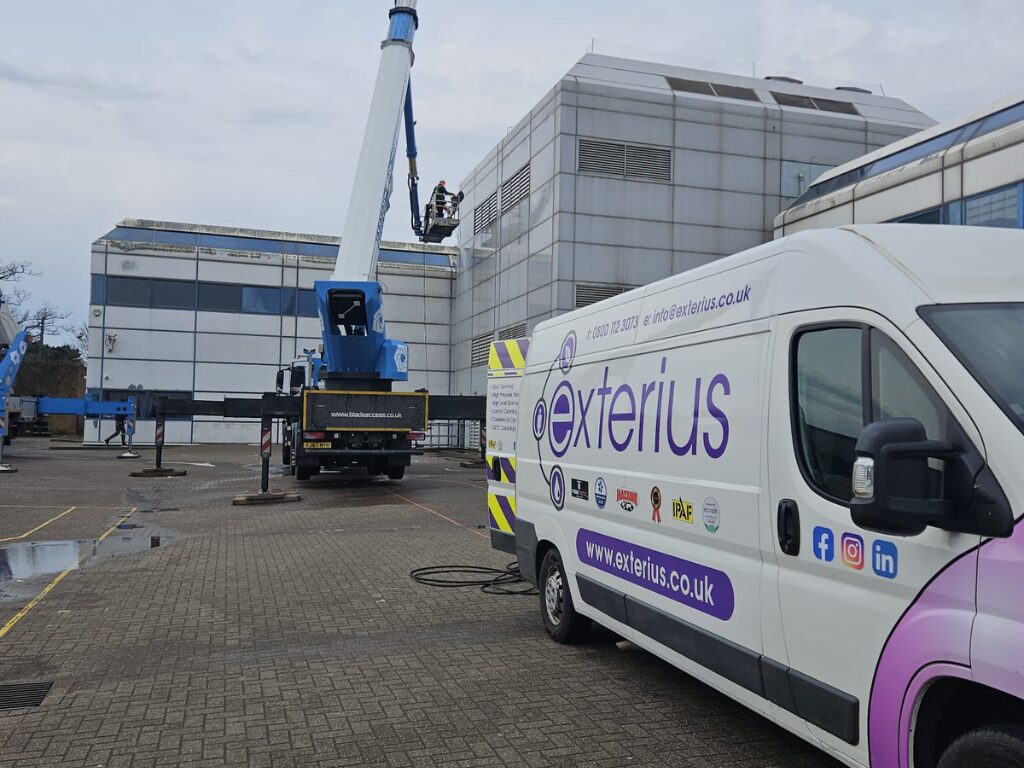
Greater Manchester is one of the UK’s most commercially diverse regions, combining city centre offices and hospitality properties with industrial sites across Trafford Park and Wigan, logistics hubs around the M60 and M62, and a fast-growing food and drink manufacturing sector.
Facilities managers across the region are under increasing pressure to demonstrate cleaning compliance, maintain building fabric and manage risk while working within tighter budgets.
Standard janitorial services rarely cover the specialist cleaning tasks that make the biggest difference to compliance, safety and building longevity. This guide explains what Manchester facilities managers should prioritise when planning specialist cleaning support.
The Cleaning Needs Manchester Businesses Most Commonly Overlook
Many cleaning contracts focus on the areas people see every day.
Offices, washrooms, reception areas, welfare facilities and touchpoints are important, but they are only one part of a wider facilities cleaning strategy. In larger commercial and industrial environments, the highest-risk areas are often outside the scope of standard janitorial cleaning.
For Manchester businesses, the most commonly overlooked areas include external building fabric, high-level internal structures, loading bays, hard standings and specialist surfaces.
Manchester’s weather can accelerate exterior contamination. Persistent rain, humidity and atmospheric pollution create the ideal conditions for algae, moss, staining and organic growth on commercial facades, roofs, cladding and paving.
Internally, city centre offices, warehouses and production facilities can accumulate dust and debris above head height. Standard cleaning teams rarely reach beams, ducting, lighting, internal cladding, cable trays or roof-level fixtures.
Loading bays and hard standings are another common blind spot. This is particularly relevant for industrial and logistics sites around Trafford Park and the M60, where vehicle movement, oil residue, tyre marks and external contamination can quickly build up.
Specialist surfaces also require the right method. Glass, stone, cladding, anti-slip flooring, brickwork and heritage materials should not all be cleaned in the same way. Using the wrong technique can damage the surface or fail to remove contamination properly.
External Building Cleaning Should Be Part of Planned Maintenance
External building cleaning is particularly important in Manchester because of the combination of rainfall, pollution and mixed building stock.
Commercial exteriors are constantly exposed to weather, traffic film, biological growth and atmospheric staining. Over time, this affects appearance, surface condition and long-term maintenance requirements.
For city centre buildings, presentation is also a commercial issue. Offices, hospitality venues, retail spaces and managed commercial properties are judged quickly by clients, tenants, visitors and staff. Dirty facades, stained paving, marked glazing or moss-covered entrances can create the impression of poor maintenance before anyone enters the building.
Manchester also has a significant number of older stone, brick and heritage-style buildings. These surfaces often require low-pressure specialist cleaning rather than aggressive pressure washing.
DOFF steam cleaning can be suitable for delicate surfaces where biological growth, staining or atmospheric dirt needs to be removed without unnecessary surface damage.
Modern commercial developments bring different requirements. Cladding, curtain wall glazing, metal panels and large entrance areas often need regular soft-wash or specialist exterior treatment to maintain their condition and appearance.
Leaving commercial exteriors uncleaned can affect:
- building presentation
- landlord compliance requirements
- tenant satisfaction
- surface lifespan
- slip risk around entrances and walkways
- building valuation and asset perception
- client and visitor confidence
For facilities managers, planned exterior cleaning should be treated as part of building maintenance rather than a cosmetic afterthought.
Industrial and Warehouse Cleaning Across Greater Manchester
Greater Manchester has a strong industrial and logistics presence.
Trafford Park, Wigan and the wider M62 logistics corridor include significant concentrations of warehouses, factories, production facilities and distribution sites. These environments create very different cleaning demands from offices or retail units.
The biggest risks usually involve dust, floors, high-level structures and loading areas.
Warehouse and industrial floors experience constant traffic from forklifts, pallet trucks, staff, stock and delivery vehicles. Over time, grease, dust, tyre marks, packaging debris and residue can accumulate across high-use areas.
This can reduce traction, obscure floor markings and increase the risk of slips or operational disruption.
High-level dust is another key issue. Dust and airborne particles can settle on beams, racking, ducting, lighting, internal cladding and overhead structures. In some environments, this may contribute to fire loading concerns, audit findings or general contamination movement across the site.
Loading bays are also high-risk areas because they sit between internal operations and external vehicle traffic. They are exposed to moisture, oil, dirt, delivery debris and weather-related contamination.
Planned specialist cleaning programmes can include:
- industrial floor scrubbing
- warehouse floor cleaning
- high-level cleaning
- duct and overhead structure cleaning
- loading bay cleaning
- internal cladding cleaning
- external yard and access route cleaning
- dust and debris removal
- planned maintenance reporting
For industrial and warehouse sites in Manchester, specialist equipment, trained operatives and safe systems of work are essential.
High-Level Cleaning Cannot Be Left Until Audit Pressure
High-level cleaning is one of the most commonly delayed specialist cleaning tasks.
Because dust build-up is often above eye level, it can go unnoticed during daily operations. By the time it becomes visible, it may already be affecting site presentation, audit readiness or wider safety standards.
This is particularly relevant in warehouses, factories, logistics sites, production environments and large commercial buildings.
Areas that often require high-level cleaning include:
- roof beams
- racking systems
- internal cladding
- ducting
- lighting
- cable trays
- pipework
- mezzanine structures
- overhead fixtures
Routine cleaning teams are not usually trained or equipped to clean these areas safely. High-level cleaning requires specialist access methods, trained operatives, RAMS documentation and an understanding of how to work in live commercial or industrial environments.
For Manchester facilities managers, scheduling high-level cleaning before it becomes urgent can help reduce disruption and support stronger compliance records.
Loading Bays and Access Routes Need More Attention
Loading bays, delivery areas and external access routes are often treated as operational spaces rather than cleaning priorities.
In practice, they are some of the hardest-working areas on a commercial site.
They experience constant vehicle movement, foot traffic, weather exposure, oil residue, packaging debris, dirt transfer and general surface contamination. In busy Manchester industrial and logistics environments, this build-up can happen quickly.
If loading bays and access routes are not cleaned regularly, contamination can be tracked into internal areas. This can affect warehouse floors, increase slip risk and make routine cleaning harder to control.
Planned cleaning can help maintain:
- safer loading bays
- clearer pedestrian routes
- cleaner delivery areas
- reduced residue transfer
- better first impressions for suppliers and visitors
- improved operational standards
For facilities managers, these areas should be included within the wider specialist cleaning plan, not left until a problem becomes visible.
What to Expect from a Specialist Cleaning Partner
A specialist cleaning partner should bring more than labour.
For facilities managers, the right provider should demonstrate that work will be planned, documented and delivered safely. This is especially important when cleaning involves height, live environments, specialist equipment, industrial contamination or delicate surfaces.
Before work begins, a specialist cleaning company should provide a clear site survey and specification. No assumptions should be made about access, surface condition, building layout, operational activity or risk level.
RAMS should also be provided in advance. Risk assessments and method statements confirm that the contractor has reviewed the site, identified hazards and communicated safe working methods to operatives.
You should expect:
- site surveys before work commences
- clear specifications and scope
- full RAMS documentation
- trained operatives with relevant experience
- appropriate access and specialist equipment
- photographic before-and-after evidence
- service reports after completion
- documentation suitable for insurance, landlord and health and safety records
Sector experience also matters.
A food production facility, industrial warehouse, heritage building and city centre commercial office will all require different planning. Operatives should understand the specific environment they are working in, including hygiene requirements, access restrictions, operational disruption and surface sensitivity.
A specialist cleaning partner should make the process easier for facilities teams, not create additional uncertainty.
Why Manchester Businesses Are Moving Away from Reactive Cleaning
The pattern in facilities management is moving away from reactive cleaning and towards planned specialist maintenance.
Reactive cleaning usually happens when a problem has already become visible. A facade looks stained. A loading bay becomes slippery. Dust appears during an audit. A warehouse floor becomes heavily marked. A landlord or insurer raises a concern.
By this stage, the work is often more urgent, more disruptive and more expensive.
Planned cleaning gives facilities managers more control.
It allows cleaning to be scheduled around operational activity, quieter trading periods, shutdown windows or seasonal maintenance cycles. It also helps businesses build clearer records of what has been cleaned, when it was cleaned and why it was prioritised.
Planned specialist cleaning can support:
- better budget control
- reduced emergency callouts
- clearer compliance records
- lower disruption to operations
- longer surface lifespan
- improved site presentation
- safer external and internal areas
- stronger maintenance planning
For Manchester businesses managing busy commercial, industrial or public-facing sites, this level of structure is increasingly valuable.
Why Facilities Managers Choose Exterius
Exterius provides specialist cleaning services for commercial and industrial sites in Manchester, Greater Manchester, the North West and across the UK.
As an EcoVadis Gold-rated specialist cleaning company, Exterius supports organisations that need safe, documented and professionally managed cleaning solutions. Our work is designed for environments where compliance, access, presentation and long-term maintenance all matter.
Every project is planned around the site environment, surface type, access requirements and operational constraints. RAMS documentation, trained teams and clear communication are built into the process, with reporting and photographic evidence available where required.
For facilities managers looking for specialist cleaning in Manchester, Exterius provides a structured and safety-led approach.
FAQs
Does Exterius cover Manchester and the North West?
Yes. Exterius provides specialist cleaning services across Manchester, Greater Manchester, the North West and the wider UK.
What specialist cleaning services do you provide in Manchester?
Exterius can support with warehouse cleaning, industrial cleaning, high-level cleaning, external building cleaning, cladding cleaning, DOFF steam cleaning, commercial window cleaning, gum removal, jet washing, anti-slip floor solutions and grounds maintenance.
Can you clean active industrial sites without disrupting operations?
In many cases, yes. Cleaning can often be planned around shifts, quieter periods, shutdown windows or phased sections of the site to minimise disruption.
Do you offer one-off specialist projects or ongoing contracts?
Yes. Exterius can support one-off specialist cleaning projects as well as planned maintenance contracts for businesses that need regular scheduled cleaning.
What accreditations does Exterius hold?
Exterius is an EcoVadis Gold-rated specialist cleaning company and can provide relevant documentation to support procurement, compliance and supply chain requirements.
Why is specialist cleaning different from standard janitorial cleaning?
Standard janitorial cleaning usually covers accessible daily cleaning tasks. Specialist cleaning addresses higher-risk areas such as high-level structures, industrial floors, external facades, cladding, delicate surfaces, loading bays and anti-slip flooring.
Speak to Exterius About Specialist Cleaning in Manchester
If you manage a commercial, industrial or public-facing site in Manchester or Greater Manchester, Exterius can help you plan the right specialist cleaning approach.
Contact Exterius to arrange a site assessment and discuss your cleaning requirements.
